
















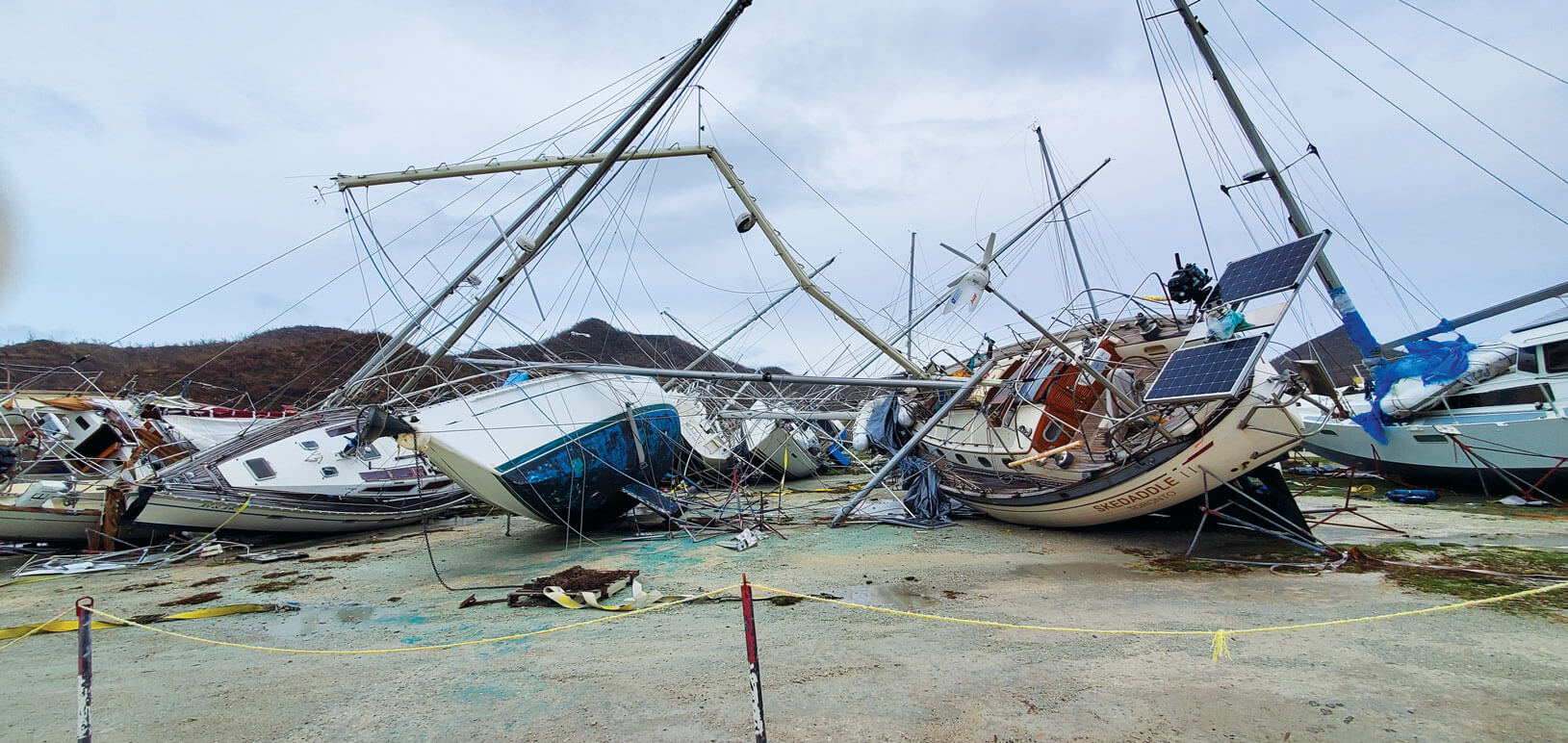
Hurricane Beryl’s Impact on Tyrell Bay Marina, Carriacou: Destruction & Resilience
Hurricane Beryl devastated Tyrell Bay Marina, Carriacou, causing widespread destruction. Learn how sailors and communities prepared and recovered.

This year’s hurricane season struck the Caribbean with unprecedented force. Hurricane Beryl shattered records as the earliest-forming Category 5 hurricane, intensifying at an explosive rate before leaving a path of devastation across multiple islands.
Beryl wreaked havoc in Saint Vincent and the Grenadines, Grenada, Dominica, Barbados, and Jamaica, claiming approximately 20 lives and causing massive infrastructure damage. In Barbados, 200 fishing vessels were lost. Saint Vincent and the Grenadines saw 90% of its infrastructure damaged, including homes, roads, and the Union Island airport terminal.
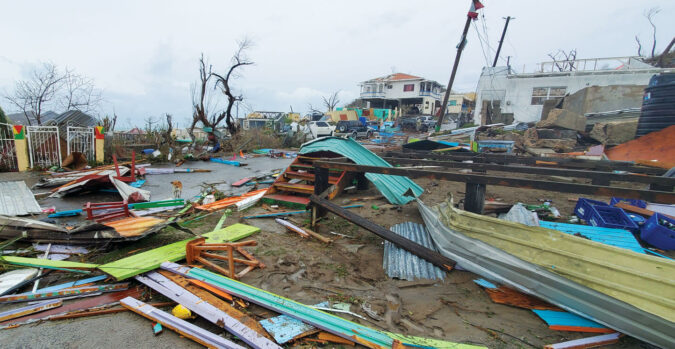
In Grenada, Beryl made landfall in Carriacou as a Category 4 hurricane, leveling the island and destroying 95% of homes. After battering the Caribbean, Beryl continued its destructive path into the United States, causing storm damage and tornadoes as far north as Canada.
Early Warnings and Storm Preparations
Thanks to early warnings, Red Cross volunteers, local authorities, and residents in Jamaica, Grenada, and Saint Vincent and the Grenadines worked tirelessly to prepare. In anticipation of:
- Road blockages
- Power outages
- Food and water shortages
Emergency crews prepositioned relief packages near high-risk areas. After the storm, volunteers provided first aid, distributed supplies, and supported affected communities.
Hurricane Beryl’s Devastation at Tyrell Bay Marina
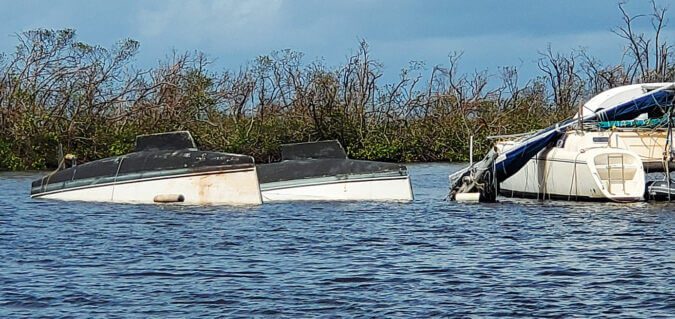
Carriacou had numerous sailboats when Beryl struck. Many boaters secured their vessels, but the storm’s extreme force proved overwhelming.
One catamaran owner described their preparation:
“We took our boat deep into the mangrove lagoon. We set three stern anchors—a 33kg Rocna, a Fortress 37, and a Fortress 55. Six lines secured the boat to the largest mangrove roots. All sails were removed, and all loose items stowed. We left for a sturdy house ashore, thinking we’d return the next day.”
However, Beryl spawned tornadoes, causing unpredictable destruction:
“A tornado picked up the boat and threw it a quarter-mile, flipping it upside down. You could see the tornado’s path—boats were obliterated, yet just five boats over, one had almost no damage.”
The Seas Are Getting Warmer: Stronger Hurricanes Ahead?
Hurricanes derive energy from ocean heat, and rising sea surface temperatures are fueling stronger storms. Research on North Atlantic tropical cyclones suggests that while hurricanes may not become more frequent, they will likely be more intense due to:
- Expanding hurricane formation zones with warmer waters above 26°C
- Rapid intensification of storms, making landfall preparation more challenging
- Increased unpredictability in forecasting
The Influence of Climate Change on Hurricanes
While pinpointing climate change’s role in a single hurricane is complex, global warming is affecting storm behavior in measurable ways:
- Stronger Winds: Warmer ocean temperatures provide more energy, fueling higher wind speeds.
- More Rainfall: Warmer air holds more moisture, leading to heavier rainfall during storms.
- Rising Sea Levels: Melting ice sheets and thermal expansion contribute to higher storm surges, exacerbating flood damage.
According to the Intergovernmental Panel on Climate Change (IPCC):
- At 1.5°C warming, Category 4 & 5 hurricanes may increase by 10%.
- At 2°C warming, the increase could reach 13%.
- At 4°C warming, the number of major hurricanes could rise by 20%.
With global temperatures rising, stronger storms and more devastating hurricane seasons are expected.
Resilience in the Aftermath
Despite the destruction in Carriacou, the yachting community and relief organizations continue working to restore the region. From rebuilding homes to restoring marinas, the Caribbean’s resilience shines through even after the strongest storms.
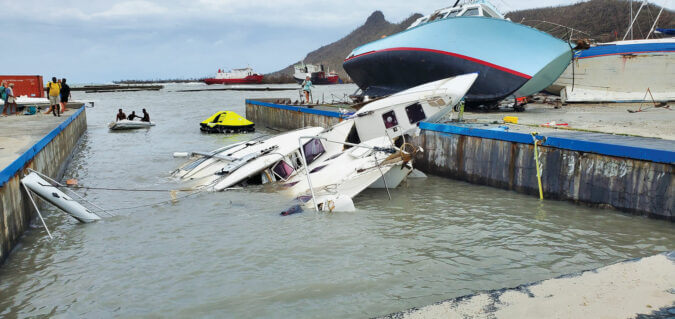
📸 Photos from Tyrell Bay Marina, Carriacou showcase the damage and recovery efforts.
🌍 Follow Birgit and Christian’s sailing journey aboard SY Pitufa and explore their books:
📖 Sailing Towards the Horizon
📖 Cruising Know-How
Birgit Hackl has written for ALL AT SEA since 2012.
Worth your time?
Thanks — noted.