How to Charter a Boat in the Caribbean: A Complete Guide

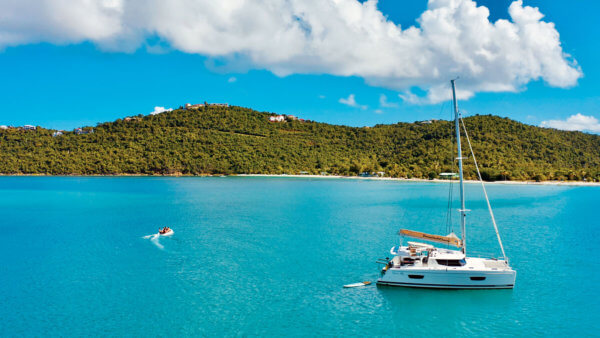
Chartering is the easiest way to sail the Caribbean without owning a boat — a week aboard a yacht in the British Virgin Islands, the Grenadines, or the Bahamas, sailing island to island with the boat as your hotel. But first-timers usually get stuck at the same starting line: how do you actually do it? This guide walks through the whole process — the three ways to charter, whether you qualify to skipper one yourself, how to choose the boat, what it really costs, and what to expect once you’re aboard. When you’re ready to plan the actual route, hand off to our companion Caribbean sailing itineraries.
The three ways to charter: bareboat, crewed, or captain-only
Your first and biggest decision is who runs the boat. There are three models, and they suit very different people:
- Bareboat — you charter the yacht and skipper it yourself. The most freedom and the best value per person, but you are the captain: you need real sailing experience, and you handle the sailing, anchoring, and daily decisions. Ideal for experienced sailors who want independence.
- Crewed — the yacht comes with a professional captain and often a chef/mate. You sail, swim, and relax while they handle everything, including the meals. The most comfortable (and most expensive per day), and no sailing experience required. Ideal for a special-occasion trip, a group, or non-sailors.
- Captain-only (skippered) — a bareboat with a hired captain for all or part of the trip. A middle path: you get local knowledge and a safety net without full crew, and it’s a common choice for sailors who want to learn the area or aren’t quite ready to bareboat. Some programs even do “captained by day, bareboat by night.”
If you’re unsure, that’s the single most important thing to get right — more than the destination or the boat.
Do you qualify to bareboat?
Contrary to what many assume, most Caribbean charter destinations do not require a formal license to bareboat — but they absolutely require demonstrated experience. When you book, the company asks for a sailing résumé: the boats you’ve handled, your role (skipper vs. crew), sizes, and conditions. If your experience is thin, they may require a checkout sail with an instructor, or simply recommend a captain for the first day or two. Be honest on the résumé — it’s for your safety, and a boat you can’t confidently handle turns a dream week into a stressful one. If you’re not there yet, a captain-only charter or a sailing course is the smart on-ramp.
Choosing your charter yacht: monohull or catamaran?
The other big choice is the boat itself, and in the Caribbean it usually comes down to monohull vs. catamaran. Catamarans have surged in popularity for charter, and for good reason: more space, level sailing, shallow draft for tucking into anchorages, and lots of room to spread out. Monohulls cost less, sail more “like a sailboat,” and handle a blow well. Then match the size and cabin count to your group — charter yachts are sold by the number of cabins/heads, so a couples’ trip and a family trip point to very different boats.
What it really costs
The advertised base rate is only part of the picture. Budget for the full stack: the base charter fee (by boat, week, and season — high season around the winter holidays is priciest), plus provisioning (food and drink, either DIY or a provisioning service), fuel and water, mooring and park fees, a refundable security deposit or a damage waiver to reduce it, and on a crewed charter a gratuity for the captain and crew (customarily a meaningful percentage of the base). Per person, bareboat with a full crew of friends is the best value; crewed is the premium experience. Get an all-in quote, not just the base rate, before you compare.
When and where to go
The Caribbean charter season runs strongest December through May (dry, steady trade winds, out of hurricane season). The classic first-timer grounds are the British Virgin Islands — short hops, protected water, and a mooring or beach bar around every corner — with the Grenadines, the Bahamas’ Abacos, Belize, and the Leewards for those wanting more. For the day-by-day routes and anchorages, see our Caribbean sailing itineraries.















Booking, and what to expect aboard
You can book directly with a charter company or through a charter broker (especially useful for crewed yachts, where a good broker matches you to the right boat and crew at no extra cost to you). Either way, confirm the boat’s age and condition, exactly what’s included, the deposit/waiver terms, and the check-in/check-out process. On arrival you’ll get a boat briefing (systems, dinghy, safety) and often a chart briefing on the area — pay attention, take notes, and ask about anchoring vs. mooring, no-go reefs, and where to clear customs if you’re island-hopping between nations.
How to Charter FAQ
Do I need a license to charter a boat in the Caribbean?
Usually no formal license, but you do need to prove sailing experience via a résumé, and a checkout sail may be required. If your experience is limited, hire a captain or take a course first.
What’s the difference between bareboat and crewed?
Bareboat: you skipper it yourself — most freedom, best value, experience required. Crewed: a captain (and often chef) runs everything — most comfort, no experience needed, higher cost.
How much does it cost to charter a yacht?
It depends on boat, season, and model, but budget beyond the base rate for provisioning, fuel, fees, a security deposit or damage waiver, and (on crewed charters) crew gratuity. Always get an all-in quote.
Monohull or catamaran for a Caribbean charter?
Catamarans offer more space, level sailing, and shallow draft (very popular for charter); monohulls cost less and sail more traditionally. Match cabin count to your group.
Where should a first-timer charter?
The British Virgin Islands — short, protected hops and plentiful moorings make it the classic starting ground. See our itineraries for routes.
How to Charter — Go Deeper
This guide is the roadmap; the articles below go deep on each decision—which way to charter, which boat, what it costs, and how to handle her. Once you’ve booked, plan the route with our Caribbean sailing itineraries.
Start here: is chartering for you?
- Should You Charter a Boat? — Toni Erdman
- What to Know! Charter Yacht Vacations — Carol Bareuther
- How to Charter: FAQ & Answers — Carol Bareuther
- Caribbean Chartering: Ten Hot Topics — Carol Bareuther
Bareboat, crewed, or captained?
- Captain, Crewed, or Bareboat? — William Coates
- What to Know Before You Go: Bareboat Chartering — Carol Bareuther
- What It Takes to Work a Crewed Charter — Carol Bareuther
Choosing your charter yacht
- Why Catamarans Are So Popular — Carol Bareuther
- One Hull or Two? — Carol Bareuther
What it costs
- How Much Does It Cost to Charter a Yacht? — Carol Bareuther
First-timer tips & handling
- Bareboat: Dock, Moor, or Anchor? — Carol Bareuther
- Tips for Bareboaters & Casual Cruisers — Julian Putley
- Bareboater Tips, Pt 2: Engine Troubleshooting — Julian Putley
Where to sail once you’ve booked
Compiled by All At Sea for anyone planning their first — or fiftieth — Caribbean charter. Confirm current requirements, pricing, and terms with your charter company or broker before you book.
Worth your time?
Thanks — noted.