Dominican Republic Moves to Make Yacht Clearance Easier
Three-hour clearance, one window, standard fees: the Dominican Senate's nautical tourism bill, and the reason cruisers shouldn't count on it yet.

Clearing into the Dominican Republic could get faster and easier if new nautical tourism legislation becomes law. The Dominican Senate gave first-reading approval on August 26 to a bill designed to attract more visiting yachts while setting uniform rules for recreational boating.
| Status | Passed Senate first reading, August 26, 2026; second reading and Chamber of Deputies still to come |
| Clearance | Single window for arrival and departure; authorities to answer within three hours |
| Speed limits | 5 knots in recreational ports and anchorages; 3 knots while maneuvering |
| Imported yachts | 10-year exemption from customs tariffs (imports only, not visiting yachts) |
| Marina investment | 15-year property-tax exemption; duty-free equipment and parts not made locally |
| Visiting yachts today | About 3,000 a year, spending close to US$150 million (marina association) |
| Sponsors | Senators Alexis Victoria Yeb and Ginnette Bournigal de Jiménez |
| Track record | Senate passed similar texts in 2022 and 2023; all prior versions lapsed in the Deputies |
For yacht owners and captains, one of the biggest changes would be at clearance. The bill calls for a single-window system for arrival and departure formalities, with authorities required to respond to clearance requests within three hours. It would also standardize fees and set operating rules, including five-knot speed limits while transiting recreational ports and anchorages and three knots while maneuvering.
The measure also aims to grow the marine industry. Qualifying yachts, sailboats and other recreational craft imported into the Dominican Republic would receive a 10-year exemption from customs tariffs. That exemption applies to vessel imports, not foreign yachts simply visiting Dominican waters. Certain marina and nautical-tourism investments would receive additional tax incentives.
















Proponents say the changes could make the Dominican Republic more competitive for Caribbean yacht traffic, improve boating safety, and encourage marine investment.
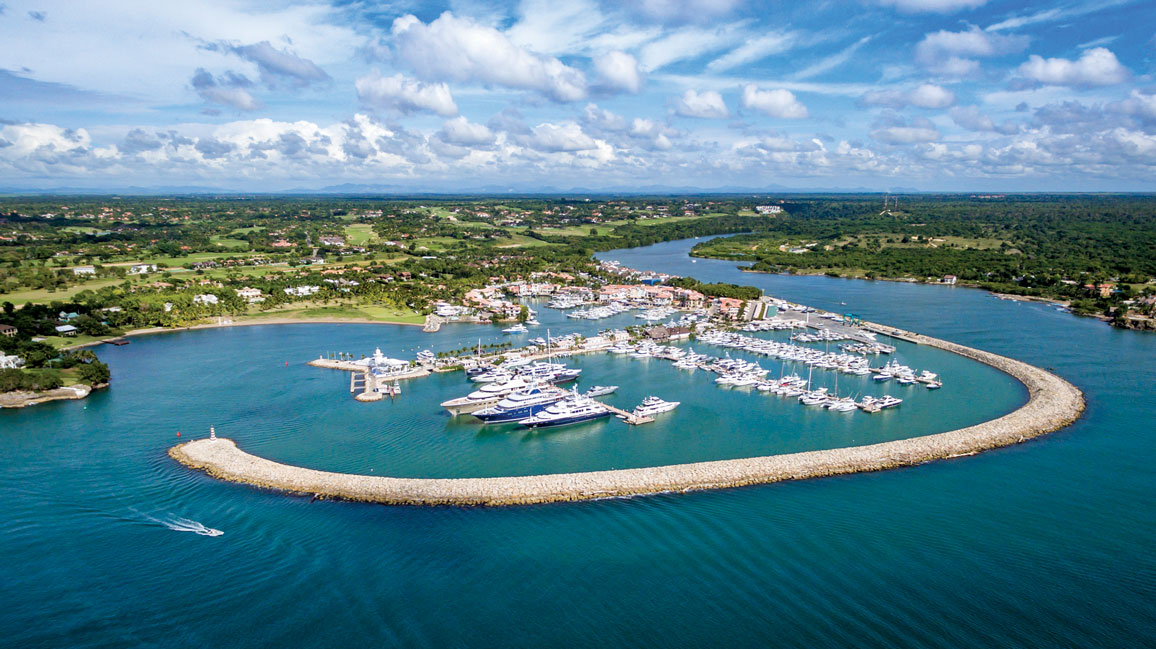
The stakes are not small. The country’s marina association puts visiting traffic at about 3,000 vessels a year, roughly a tenth of the boats in the Caribbean each season, spending close to US$150 million, or about US$1,500 per boat per week across a five-month season. Behind that sit some US$1.5 billion in marina and yard investment and more than 2,500 direct jobs. Marina Cap Cana alone offers more than 150 slips for yachts to 250 feet, and the coastline runs about 800 miles. Alongside the tariff holiday, the bill gives nautical-tourism infrastructure a 15-year exemption from property tax and duty-free entry for equipment and parts not made locally.
Notably, the measure has taken this route before. The Senate passed a near-identical text in September 2022 and again in 2023, and both died in the Chamber of Deputies, where versions filed in 2024 and in October 2025 lapsed. Critics there objected that the import exemption let a US$4 million yacht enter duty-free while about ten local boatbuilders paid tax. Sponsors Alexis Victoria Yeb of María Trinidad Sánchez and Ginnette Bournigal de Jiménez of Puerto Plata have refiled it; a second Senate reading comes next, then the Deputies, before anything changes at the dock.
Carol Bareuther has written for ALL AT SEA since 2004.
Worth your time?
Thanks — noted.