Walls, Forts, and Hidden Towns: A Journey Through Northern Colombia
Cartagena travel guide with top 10 places, from historic walls to Tayrona National Park and Mompox day trips.

Planning a visit to Cartagena? This Cartagena travel guide highlights ten must-see places in the city and nearby regions. From historic forts to remote national parks, it offers a well-rounded look at what makes this part of Colombia so compelling for travelers and cruisers alike.
During the offseason, my wife and I left our catamaran in Panama and took a two-month trip around the northern part of South America starting in Cartagena, Colombia. This is an amazing Spanish colonial town that is popular with boaters and if you ever visit you would be remiss if you did not venture to some of the surrounding areas. That is why this top ten list is not just the city of Cartagena, but also sites up to a six-hour drive away. Also, while there are beaches and reefs around Cartagena you must take a tour boat to get to them and since we just spent two months in the San Blas islands, we chose to skip them and focus on the land-based exploration. Here we go with our top ten places in Cartagena and the surrounding area.
10. City wall
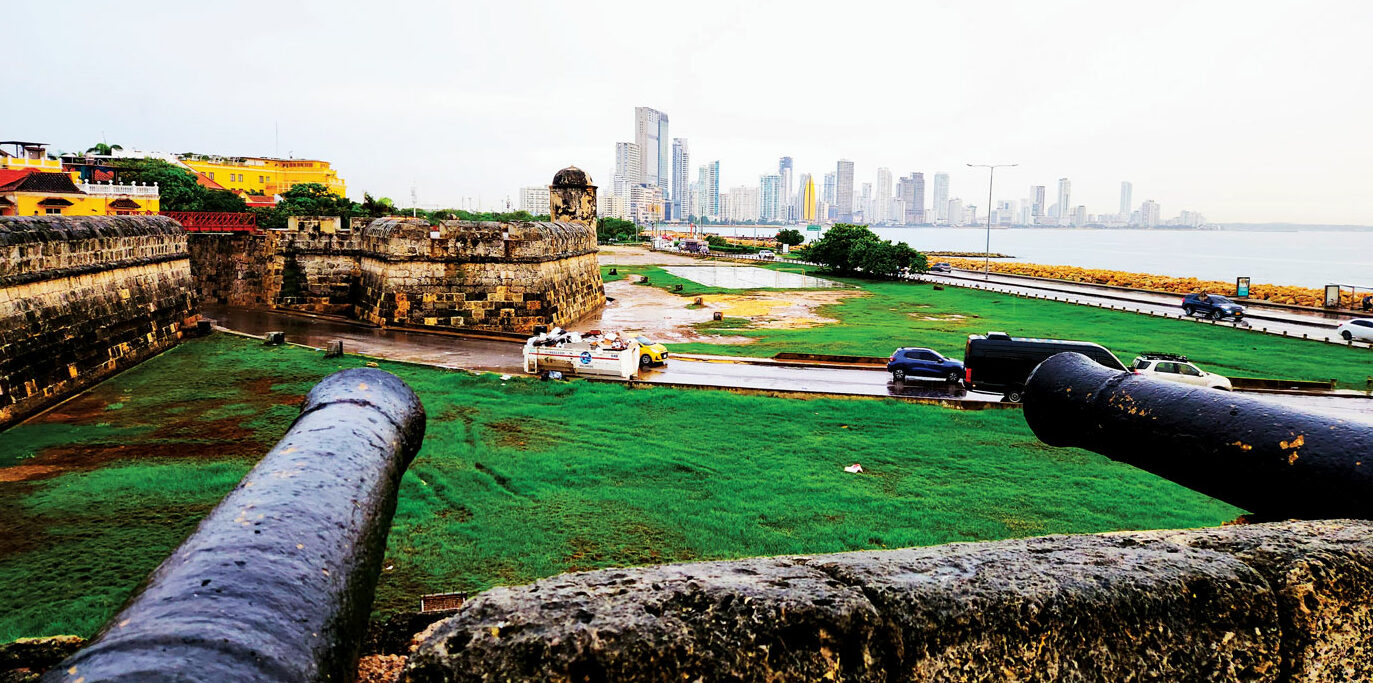
The walls around Cartagena were started in 1586 and continue to be built for over 200 years and today they are very well preserved. They were mostly used to fend off pirate attacks after Sir Francis Drake attacked in 1586. They are almost seven miles long and walking along them gives a great view of the sea and the high-rise area of Cartagena.




















9. Churches
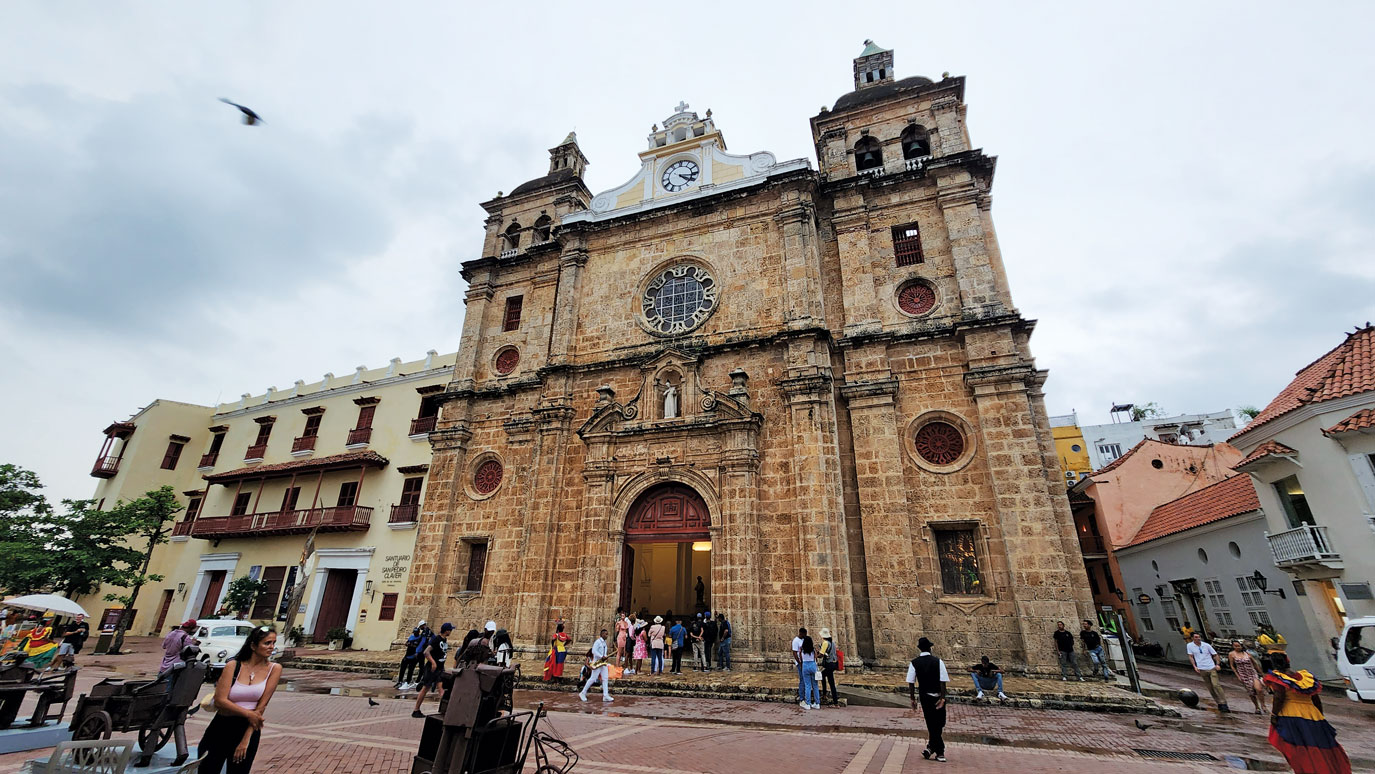
Like most Spanish colonial towns, Cartagena has its fair share of churches. The cathedral is a bit stark on the inside and the oldest church is Santa Domingo built in 1552. Our favorite church was the Convento & Iglesia de San Pedro Claver, which was named after a man who spent 40 years working for the rights and well-being of slaves and is now the patron saint of human rights.

8. Barranquilla
We stopped at this town on the way to another place that will show up later on this list. We found the Gran Malecón to be peaceful as you walk along the river at night. Barranquilla is well-known for its carnival and the museum of the carnival was very interesting. My Latina wife loved the fact that this is the hometown of Shakira and Sofía Vergara.
7. Puerta Del Reloj
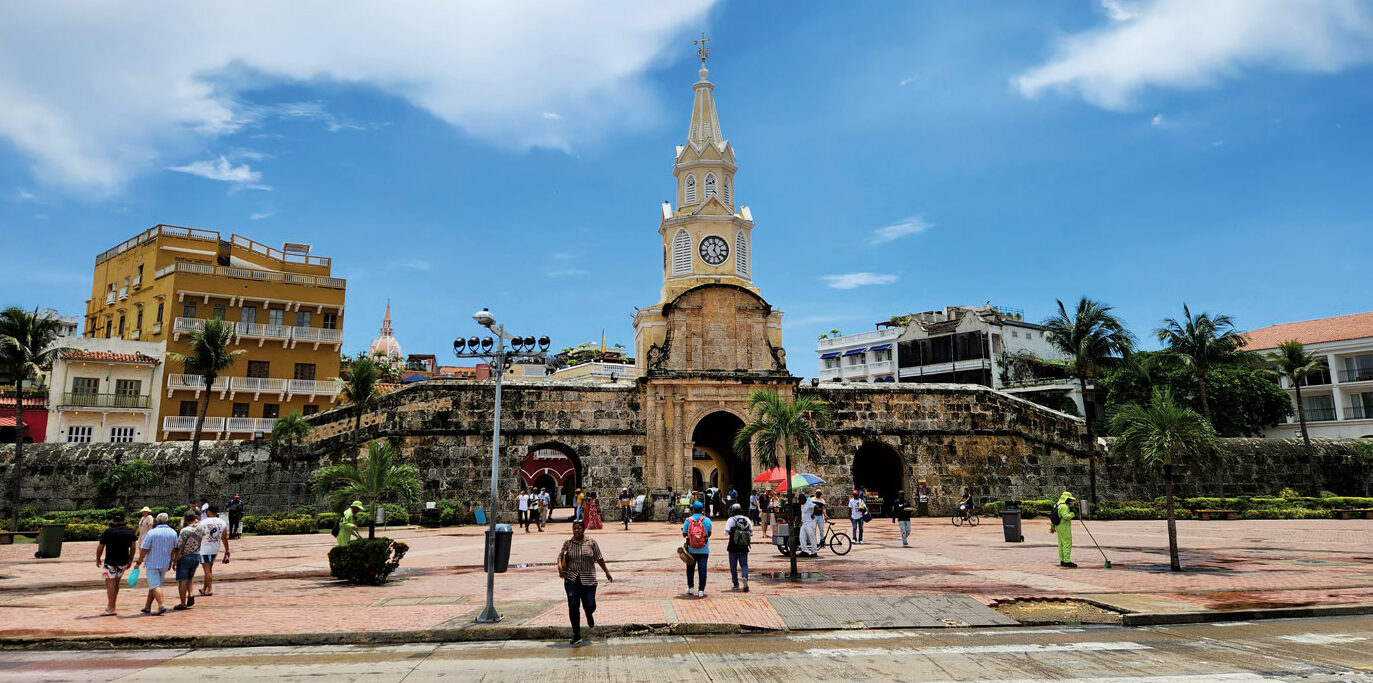
This is the Gate of the Clock and is one of the gates into the walled historic colonial town. Just inside you will find the Plaza de la Coches (Square of the Carriages) and this was the site of one of the largest slave markets in Latin America. Today this plaza is filled with shops and restaurants and is a very vibrant place to take in the atmosphere of the city.
6. Museo del Oro y Arqueología
This is the Gold and Archaeological Museum and while the gold museum in Bogota is much better what my wife and I loved about this museum was the focus on the native people’s achievements of controlling the local river with canals and they’re impressive pre-Columbian silver and gold work. This exhibit actually led us to purchasing her a set of earrings when we were in Mompox, which we’ll talk about in a little bit.
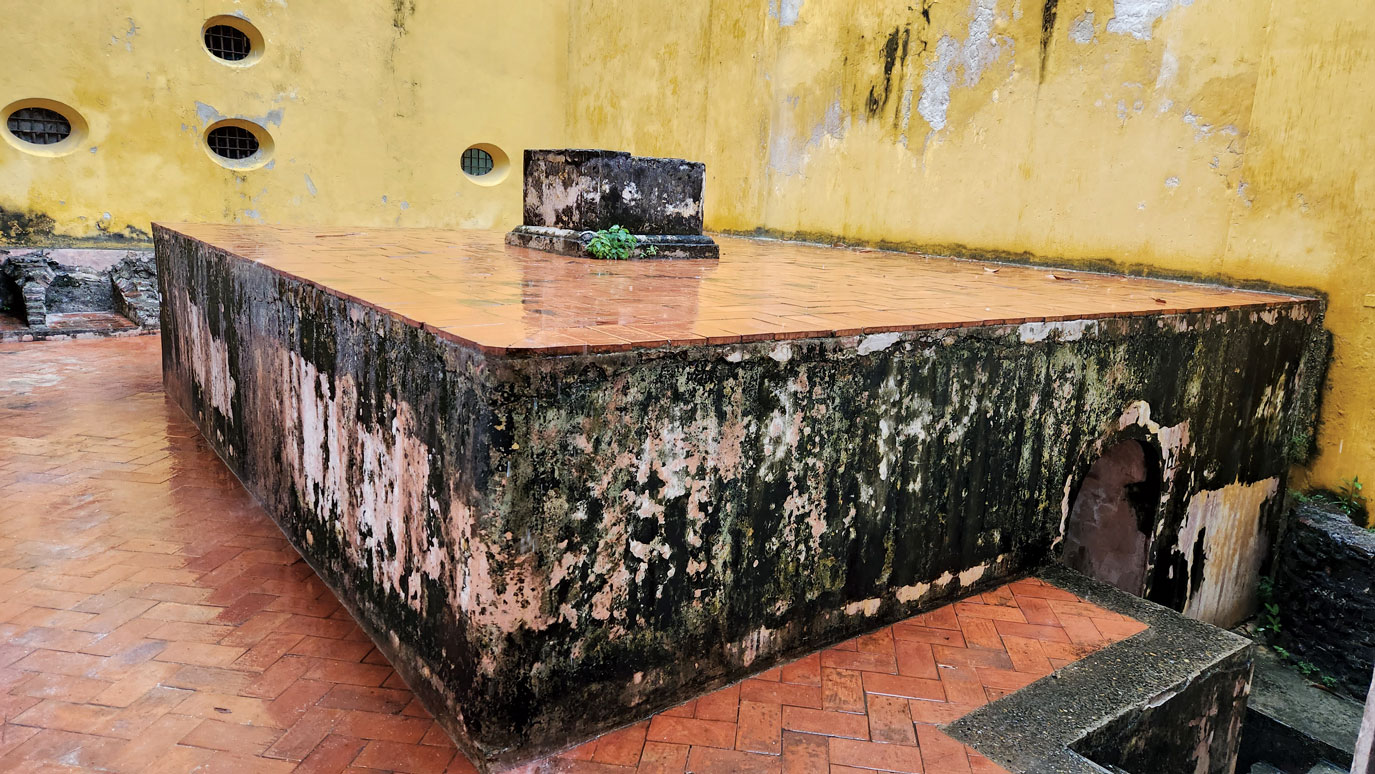
5. Museum Of Cartagena de Indias
This museum has several different subjects but the main one is about the Spanish Inquisition. Sadly almost 700 people were tortured and executed for crimes against the Catholic Church at this very site. Some of those crimes even included Jesuits priests who simply stood up for the rights of slaves. Underneath the pictured platform was a room and going inside you could feel the weight of the history of this site weighing down on you.
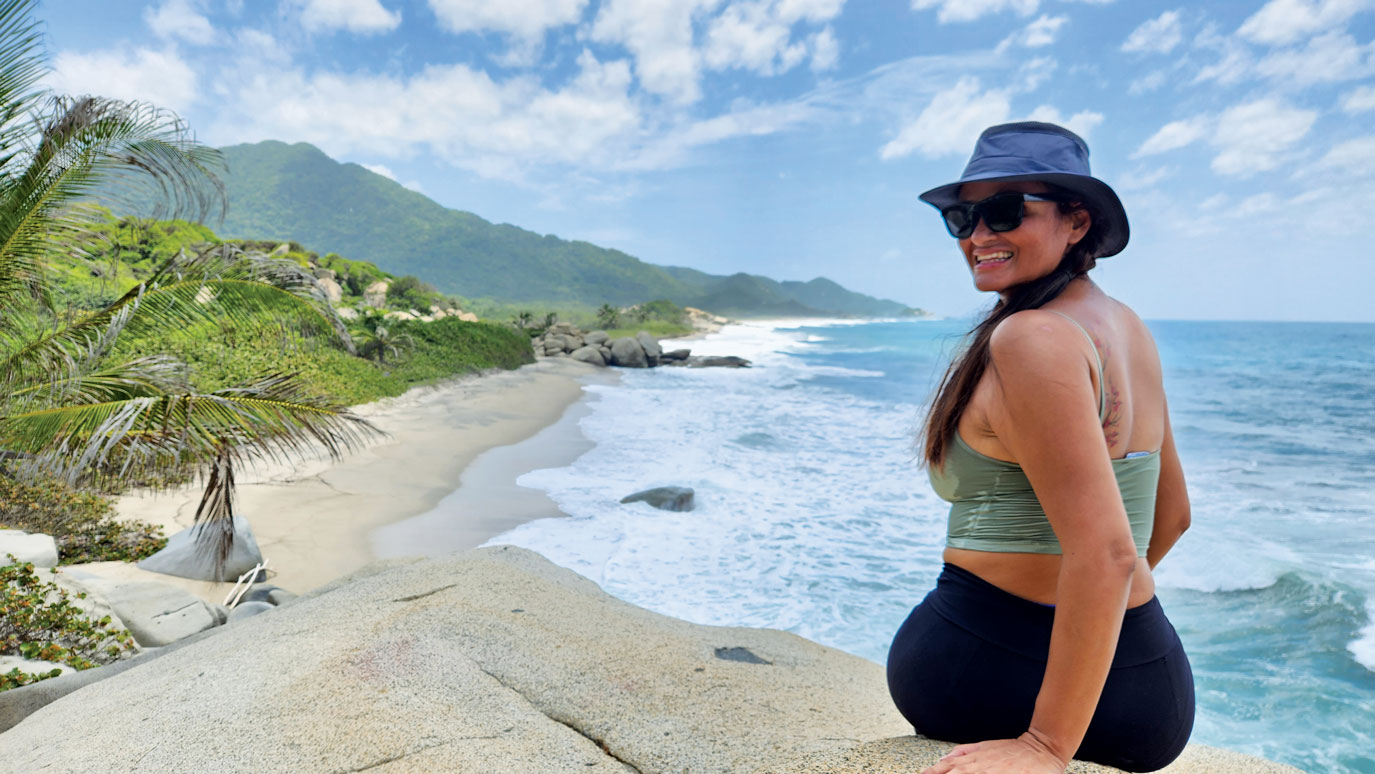
4. Tayrona National Park
Past Barranquilla and the town of Santa Marta is a wonderful National Park situated between the mountains and the ocean. Once you get to the entrance of the park you have to park your car and hike in going up and down hills and along the beach. On the way there are several locations where you can rent a hammock or a tent and other places to get a bite to eat or a drink. Within the park you will find monkeys, birds, and reptiles and it is just absolutely wonderful. The only negative is that it gets hot, very hot.
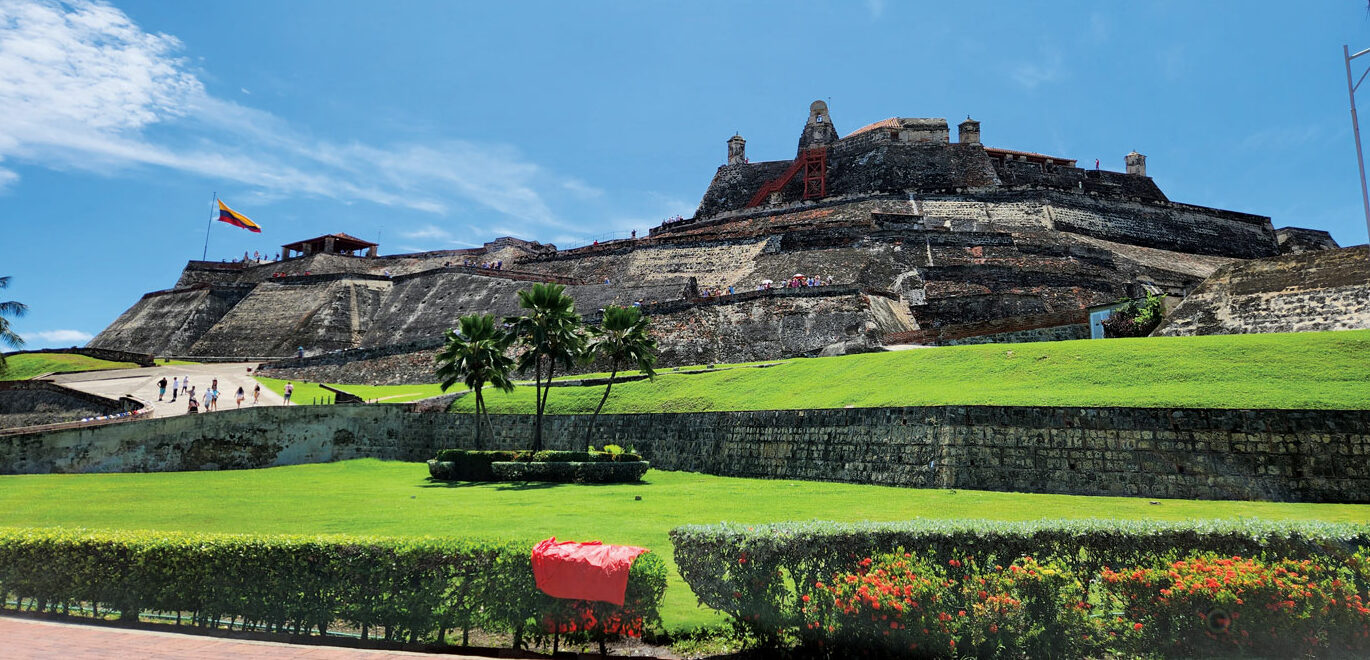
3. Fort of San Felipe
After the city wall was built the officials of Cartagena decided they needed a fort which was begun in 1657 and became the largest fort built by the Spanish Empire in the New World. It was also built to protect all the gold that was being shipped back to Spain. Visiting the fort is at least a half a day due to the massive size and our favorite part was the extensive tunnel system running throughout the fort.
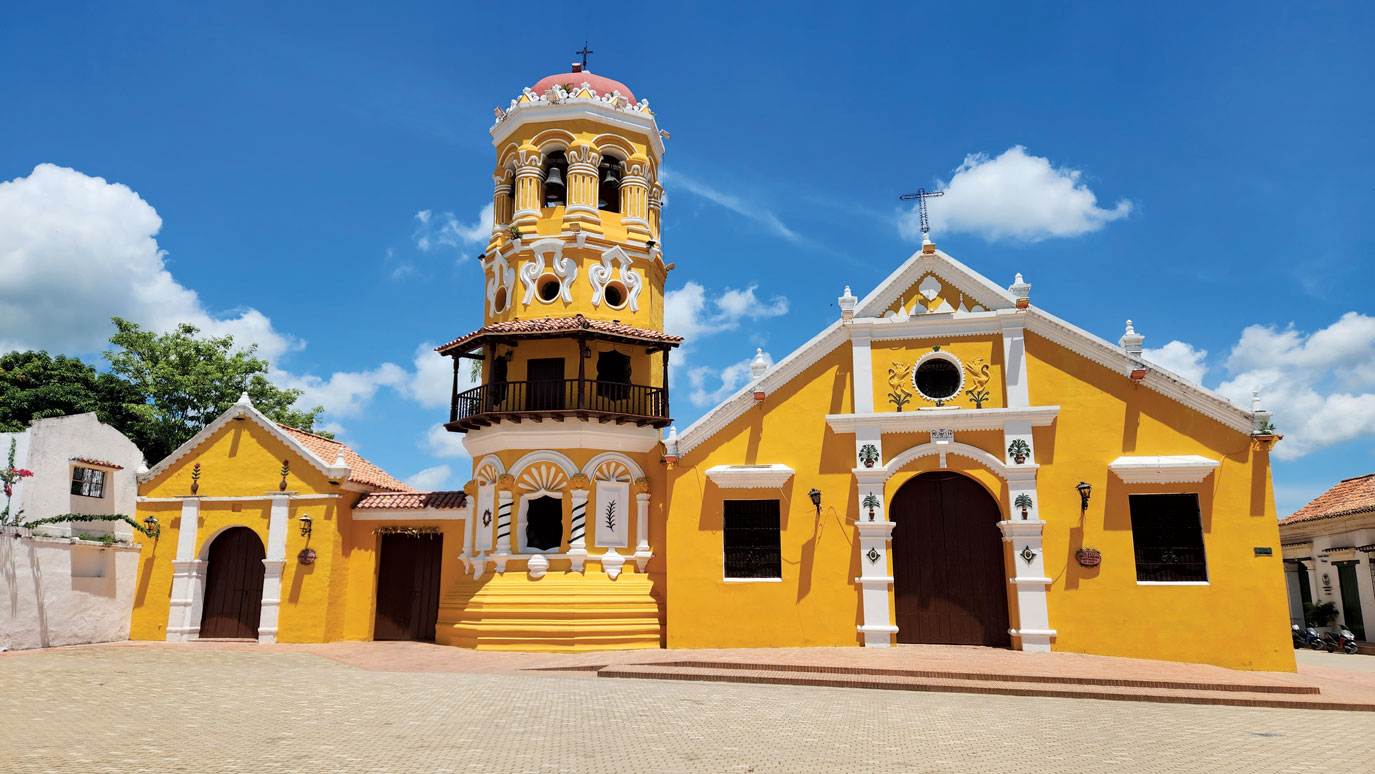
2. Santa Cruz de Mompox
During the colonial times this small village was used as a resting point for boats traveling up the river. Due to this it became quite wealthy and even today you can see that wealth in the churches and the homes. Not many people visit Mompox, but if you do you will be rewarded with a relaxed pace to enjoy your days. Taking a boat tour up the river and a tuk-tuk tour of the town all the churches were highlights for us. Our favorite church was Iglesia de Santa Barbara with the Moorish style bell tower you can climb up and check out the second story balcony. At night we enjoyed walking along the river with the various restaurants and shops lining it. Plus, this is where we got the before mentioned earrings.
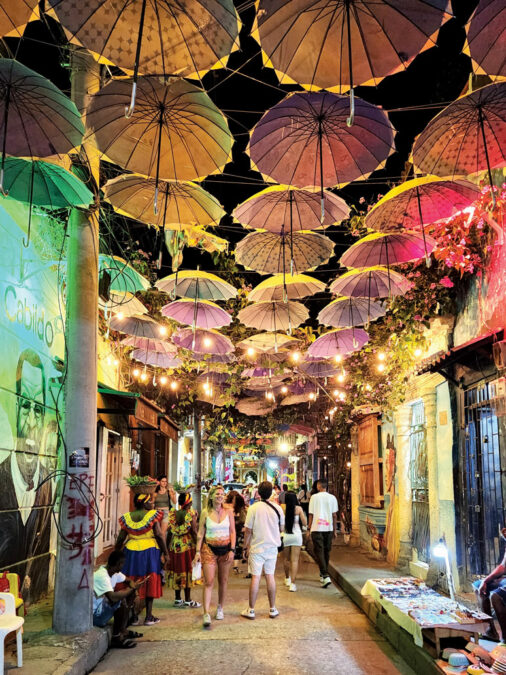
1. Architecture & Atmosphere
I would love to give you a specific location for our number one spot, but both of us just really enjoyed walking around the old town of Cartagena. The architecture shows off the beautiful Spanish colonial style and the atmosphere was just wonderful. We saw streets that were covered by umbrellas that lit up at night. To be honest, we just couldn’t get enough of just walking around and seeing everything and everyone going about their day. A fun way to experience this quickly is on a Chiva Bus. This is a double-decker party bus that drives people around the city while showing them the sites, but it seems more fun and livelier than your typical sightseeing buses.
What This Means
Cartagena delivers more than just a historic port stop. It offers depth, range, and easy access to diverse experiences within a short distance.

- History comes alive through forts, churches, and colonial streets
- Day trips expand the experience beyond the city walls
- Nature and culture balance well, from Tayrona to Mompox
- Walkability and atmosphere make the old town a highlight on its own
For cruisers and travelers, Cartagena stands out as a destination worth exploring both on and off the water.
Shane McClellan has written for ALL AT SEA since 2016.
Worth your time?
Thanks — noted.