
Deep-Sea Discoveries off Trinidad and Tobago: 20 Suspected New Species
A Trinbagonian-led team mapped 4,376 square miles of seafloor nobody had seen and came back with 20 suspected new species.

A Trinbagonian-led team mapped 4,376 square miles of seafloor nobody had seen and came back with 20 suspected new species.

Unveiling the hidden destruction, researchers reveal that a minuscule parasite, Philaster apodigitiformis, caused the massive die-off of Diadema sea urchins in the Caribbean, impacting the delicate balance of coral reefs.
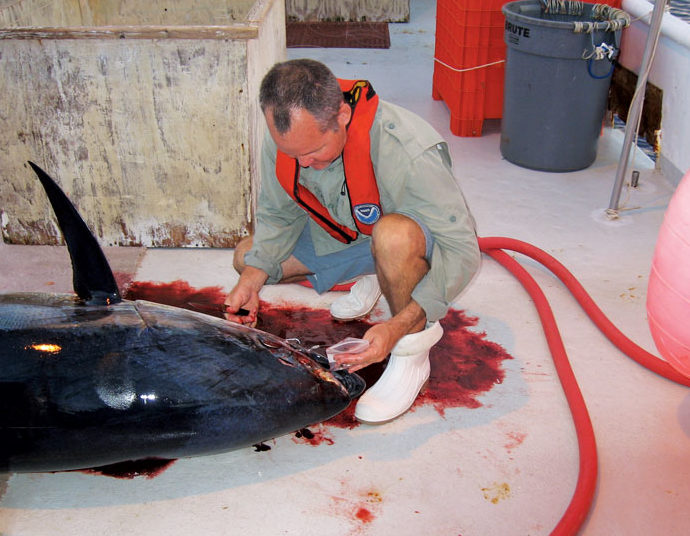
Thanks to honest input from career marine scientists in the Florida Keys, namely the four below and Limnologist Derke Snodgrass, readers have learned about this marine-based career in the past three issues. Here are concluding thoughts. Q: What satisfaction/benefits come from working in marine science? Brooke Denkert Black, M.S.: All science is cumulative. Therefore,…

Two months ago, I introduced six highly-educated Keys professionals working in marine science. This month, we learn more about their field. Q: What was your first marine science job after graduating? What salary came with this first job? How did you progress to your current position? Did you get salary increases along the way? Brooke…

Explore the fascinating marine science work of Florida Keys professionals during their college years. Learn about hands-on fieldwork, internships, and research projects that shaped their careers in marine biology and ecology.
 Tortuga MahoOwner-verified on First Mate →
 The Island Rigging CompanyOwner-verified on First Mate →
 Antigua Superyacht Marina and ResortOwner-verified on First Mate →
 Island Water WorldOwner-verified on First Mate →
 Abaco Beach ResortOwner-verified on First Mate →
 Clarke's Court Boatyard & MarinaOwner-verified on First Mate →
 JP Marine SolutionsOwner-verified on First Mate →
 Red Coral PropertiesOwner-verified on First Mate →
 Intracoastal Yacht SalesOwner-verified on First Mate →
 Caribbean Marine Surveyors LtdOwner-verified on First Mate →
 Harel Yacht BrokerOwner-verified on First Mate →
 Shelter Bay MarinaOwner-verified on First Mate →
 St. Croix MarineOwner-verified on First Mate →
 Christiansen Commercial Real EstateOwner-verified on First Mate →
 Crown Bay MarinaOwner-verified on First Mate →
 CarenantillesOwner-verified on First Mate →
 Marine TraveliftOwner-verified on First Mate →
 Parts & PowerOwner-verified on First Mate →
 Budget MarineOwner-verified on First Mate →
 Sevenstar Yacht TransportOwner-verified on First Mate →
 Offshore MarineOwner-verified on First Mate →
 Dolphin Water TaxiOwner-verified on First Mate →
 Golden Hind ChandleryOwner-verified on First Mate →
 Cay ElectronicsOwner-verified on First Mate →
 Smart Marine SolutionsOwner-verified on First Mate →
 Paradise Yacht ManagementOwner-verified on First Mate →
 Jolly Harbour Marina / Boat YardOwner-verified on First Mate →