Starlink Personal Maritime Plan: The 60-Foot Rule, Ocean Mode Hike, and Cruising Realities
Starlink’s $185 Personal Maritime plan raises the limit to 60ft LOA with unlimited coastal data. Here is how the $6/GB ocean rate impacts Caribbean cruisers.

SpaceX has officially introduced its Starlink Personal Maritime plan at $185 per month, directly tackling the single biggest operational headache facing long-term cruising sailors: the 30-day international roaming lockout.
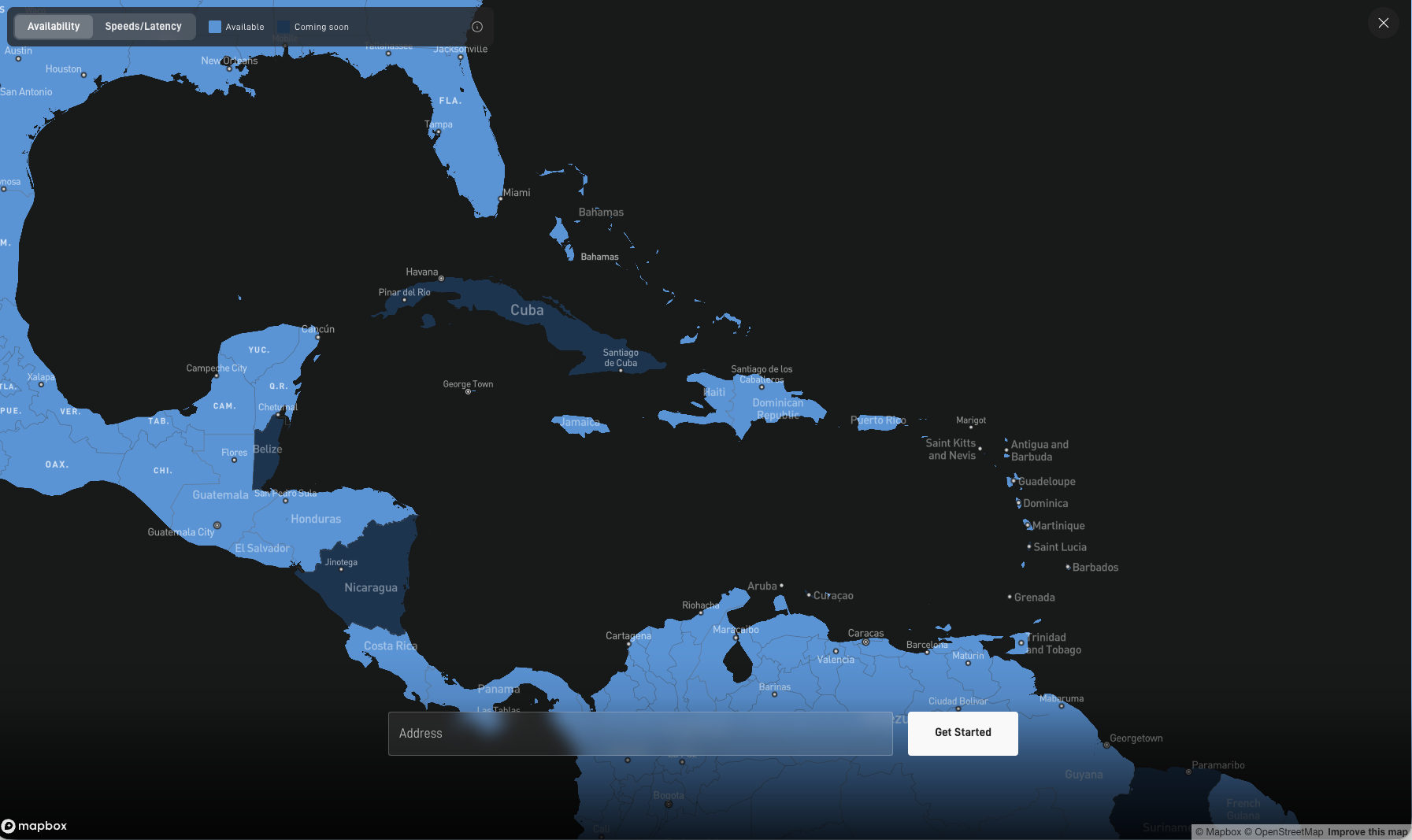
For vessels outfitting in Florida, island-hopping the Exumas, or spending hurricane season in Grenada, this tier provides a legitimate path to continuous, high-speed connectivity abroad. However, between newly expanded boat length limits and a sharp offshore price hike, cruisers must review the fine print before casting off lines.
What is the Starlink Personal Maritime plan?
Starlink Personal Maritime is a $185/month satellite internet tier designed for personal, non-commercial recreational vessels up to 60 feet length overall (LOA). It provides unlimited high-speed data within territorial waters worldwide, bypassing standard 30-day international roaming restrictions, with offshore “Ocean Mode” data billed separately at $6.00 per gigabyte.















For full terms and account eligibility, consult the official Starlink Roam Service Plans Directory.
Plan Comparison: Roam Regional vs. Personal Maritime
Under standard Roam (Regional Mobile) packages, cruisers departing their home waters face service cutoffs after 30 to 60 consecutive days outside their home billing territory. This forced liveaboards into awkward account transfers, local SIM juggling, or pricey commercial tiers.
| Feature | Roam (Mobile Regional) | Personal Maritime |
| Monthly Base Cost | ~$150/mo | $185/mo |
| 30-Day Country Limit | Enforced (service cut off) | Exempt (continuous use) |
| Territorial Waters Data | Unlimited (land/coastal) | Unlimited (worldwide within 12 NM) |
| Ocean Mode Data Rate | $2/GB (until Sept 27, 2026) | $6.00 / GB immediately |
| Vessel Size Restriction | None specified (land-first) | Strictly ≤ 60 ft LOA |
| Network Priority | Standard | High Priority when Ocean Mode active |
Vessel Eligibility: Unpacking the 60-Foot LOA Ceiling
When rumors of the Personal Maritime tier first surfaced, an initial 40-foot restriction threatened to exclude a large portion of the bluewater fleet. Starlink has since updated that ceiling to 60 feet LOA.
- What Qualifies: The 60-foot limit accommodates most production cruising multihulls (Lagoon 42 through 55, Fountaine Pajot, Leopard) and blue-water monohulls.
- Recreational Use Only: The tier is restricted to private pleasure craft. Crewed charter yachts, commercial fishing vessels, and passenger boats must register for enterprise maritime plans.
- Compliance Checks: Misrepresenting vessel dimensions risks abrupt account suspension—a costly mistake when coordinating logistics like Bahamas crossing passage prep and clearance.
Every skipper knows that “length overall” can mean three different things depending on whether you’re talking to a marina dockmaster, an insurance underwriter, or a state registration clerk. When you have a Lagoon 55, a Fountain Pajot Elba 45 with a bowsprit and dinghy davits, or an older Oyster 56, where does Starlink draw the line?
Starlink enforces the 60-foot LOA cap through specific mechanisms, and the requirements determine whether a borderline vessel qualifies.
How Starlink Verifies the 60-Foot Rule
Unlike standard Roam plans, which are self-serve in a web shop, the Personal Maritime plan is invitation- or support-ticket-only. When you apply to switch, Starlink requires a formal vessel document upload:
- Vessel Name and Flag State
- Length Overall (LOA) entered in feet/meters
- Unique Hull / Radio ID: Hull Identification Number (HIN), Craft Identification Number (CIN), MMSI, or ITU Call Sign
- Official Vessel Registration Certificate or USCG Certificate of Documentation (COD)
What “60 Feet” Actually Means to Starlink
1. Paperwork Trumps the Tape Measure (Documented Length)
Starlink’s verification team does not walk the dock with a tape measure; they cross-reference your application against your government registration or documentation paperwork.
- In the United States, a USCG Certificate of Documentation (Form CG-1270) lists “Length” according to federal measurement rules (stem to stern along the deck line), which frequently excludes bolt-on pulpits, bowsprits, swim platforms, and davits.
- If you have a boat marketed as a “62” whose official state registration or USCG document lists an official registered hull length of 59’6″, it qualifies based on the document.
- Conversely, if your manufacturer’s model number is a “58,” but your official registration rounds up to 61 feet due to an integrated platform, automated document processing can trigger a flag.
2. The Model Designation Trap
Starlink’s legal terms specifically state:
“The Personal Maritime plan is available exclusively for personal, small watercraft use. Use on larger craft or yachts (e.g., watercraft exceeding 60 ft. in length overall) is prohibited.”
If your vessel’s documented model name explicitly identifies it beyond 60 feet (e.g., a Lagoon 620 or an Oceanis Yacht 60that docs at 62′ due to the bowsprit), support review will reject it and steer you toward the $250+/month Enterprise Maritime tiers.
3. The Multihull Grey Zone
The expansion from 40 to 60 feet was driven specifically by the catamaran fleet. Popular Caribbean cruising multihulls—such as the Leopard 45–53, Bali 4.6–5.4, Lagoon 42–55, and Fountaine Pajot Aura 51 or Samana 59—fall safely under the 60-foot mark on their factory certificates of origin and documentation. The 60-foot ceiling excludes crewed charter cats in the 65–80 ft range (e.g., Sunreef 60/70, Lagoon 65/Seventy7).
4. Automatic Audit Risks: The MMSI Cross-Check
Because Starlink collects your MMSI number during onboarding, your vessel’s static AIS data broadcast is visible to international maritime databases (ITU, MarineTraffic, VesselFinder). If your vessel broadcasts an AIS profile listing an LOA of 21 meters (68 feet) while claiming 59 feet on your Starlink application, you risk an administrative audit and abrupt disconnection.
Cruiser Takeaway: How to File
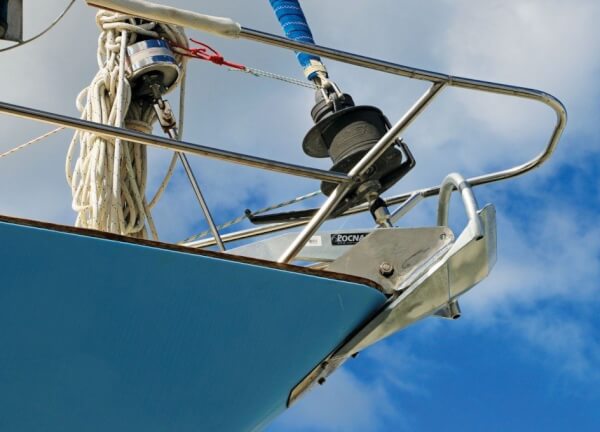
- Use the exact length on your official ship’s papers: Do not estimate, do not add your dinghy on the davits, and do not add an anchor hanging off the roller. Submit the number entered by your flag state or documentation authority.
- Recreational status is non-negotiable: If your registration lists a charter company or corporate entity rather than an individual/trust, Starlink’s review may require secondary proof that the vessel is purely for private pleasure use. Commercial charters are excluded from Personal Maritime.
The Offshore Catch: Managing the $6/GB Ocean Mode Rate
While coastal data within 12 nautical miles of shore is unlimited, crossing into international waters activates Ocean Mode.
              TERRITORIAL WATERS (0 - 12 NM)            INTERNATIONAL WATERS (> 12 NM)
              [Unlimited Data @ $185/Month]             [Ocean Mode: $6.00 per Gigabyte]
   Anchorages / Marinas          Coastal Passages                  Open Ocean Passages
[Boat] ~ ~ ~ ~ ~ ~ ~ ~ ~ ~ ~ [Boat] ~ ~ ~ ~ ~ ~ ~ ~ ~ ~ ~ | ~ ~ ~ ~ ~ ~ ~ [Boat] ~ ~ ~ ~ ~ ~ ~
  0 NM                         6 NM                     12 NM               25 NM+
The September 27 Deadline
According to the official Starlink Ocean Mode Policy, Roam Unlimited subscribers paying $2/GB will see their rate triple to $6.00/GB on September 27, 2026. Cruisers attempting to stay on legacy Roam tiers to access cheap offshore data now face the same per-gigabyte pricing as Personal Maritime subscribers.

The Runaway Toggle Risk
Starlink’s documentation confirms that Ocean Mode begins billing immediately upon activation and remains enabled until manually toggled off.
Crucially, Ocean Mode does not automatically shut off when you return to territorial waters or drop anchor in a harbor. If left active, usage rolls onto subsequent monthly invoices at high-priority, metered rates.
How to Toggle Ocean Mode Off in the Starlink App:
- Open the Starlink App and tap the Hamburger menu icon.
- Select Data Usage.
- Toggle Ocean Mode to OFF.
The Anchorage Bandwidth Perk
Activating Ocean Mode grants higher network priority than standard Roam data everywhere Starlink operates, including on land and at anchor. In crowded anchorages like English Harbour during Antigua Sailing Week or Simpson Bay during the Heineken Regatta, toggling Ocean Mode on provides an intentional override against local bandwidth throttling.
Power Management at Anchor: Real-World Electrical Draws
Operating satellite terminals 24/7 on house batteries demands disciplined power budgeting:
| Hardware Setup | Typical Power Draw | Daily Battery Consumption (24 hrs) | Recommended Power Bank |
| Standard Dish (via 120V Inverter) | 45W – 65W | 90 – 130 Ah @ 12V | Large AGM / Solar array |
| Standard Dish (12V/24V Direct DC-DC) | 35W – 50W | 70 – 100 Ah @ 12V | Dedicated DC conversion kit |
| Flat High Performance (Inverter) | 75W – 110W | 150 – 220 Ah @ 12V | Substantial marine lithium battery upgrades |
Bypassing factory AC routers with an aftermarket 12V/24V PoE (Power over Ethernet) converter saves 15% to 25% in inverter conversion losses, preserving amp-hours for refrigeration and navigation instruments.
Frequently Asked Questions (FAQ)
What is the boat size limit for Starlink Personal Maritime?
The plan allows personal, recreational vessels up to 60 feet Length Overall (LOA). Commercial vessels and yachts over 60 feet must subscribe to standard enterprise Maritime plans.
How much does Starlink Ocean data cost on the Personal plan?
Ocean data (beyond 12 nautical miles from shore) costs $6.00 per gigabyte on an opt-in basis.
Does Ocean Mode turn off automatically when I re-enter harbor?
No. Ocean Mode remains active and billable until manually disabled in your Starlink mobile app or web account.
Can I pause the Personal Maritime plan during hurricane season?
Yes. Just like standard Roam subscriptions, service can be paused and unpaused in full-billing-cycle increments via the web portal while your boat is hauled out. Official terms still ban use on land. Pause ≠ use. Pause it; don’t run the dish from the yard apartment. How they’ll police this in reality is beyond me… Just stating their terms.
captain has written for ALL AT SEA since 2020.
Worth your time?
Thanks — noted.