4 Caribbean UNESCO World Heritage Sites Where Paradise Meets the Past
From a 16th-century fortress to Nelson's own dockyard, four Caribbean UNESCO sites where paradise meets the past.

Think the Caribbean is just piña coladas and palm trees? Think again. Long before the U.S. signed its Declaration of Independence, battles were fought, empires collided, and cities were built across these sun-soaked islands. Today, many of these historic gems are preserved as UNESCO World Heritage Sites—where you can walk the same streets, forts, and harbors that once defined an era. Here are four places to visit where paradise meets the past.
Colonial City of Santo Domingo, Dominican Republic.
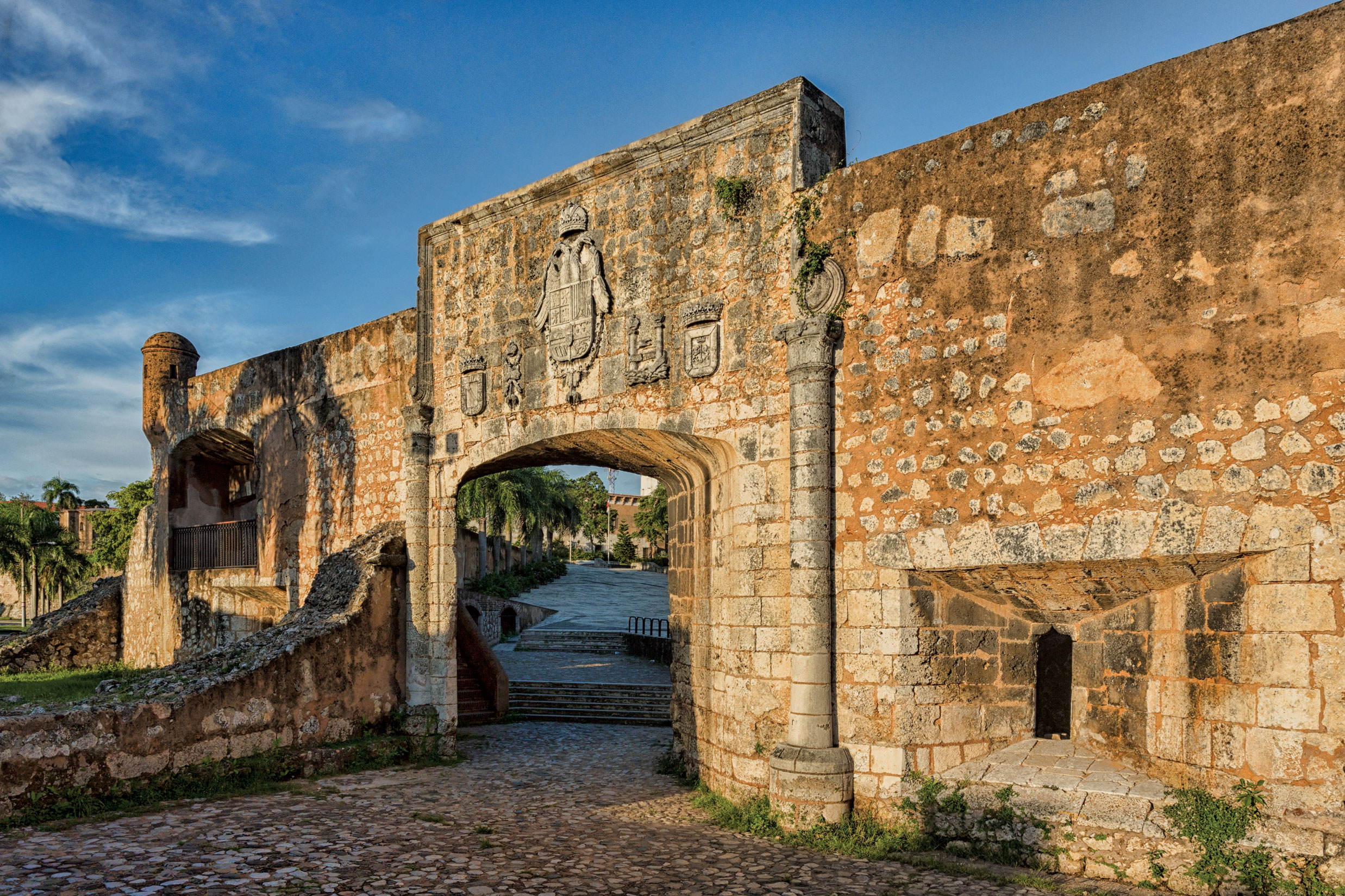
Stroll along the city seafront to the 50-foot-tall stone-and-bronze statue of Antonio de Montesinos. In 1511, Montesinos, one of the initial Spanish Dominican friars to visit, stood here and delivered the first human rights sermon in the Americas, defending indigenous peoples. Behind Montesinos’ image flows the Ozama River, once the launchpad for explorers like Cortés, Balboa, and Ponce de León. Ahead lies the Colonial City of Santo Domingo, founded in 1498, and laid out in an easy-to-walk grid, which served as a blueprint for future New World cities.
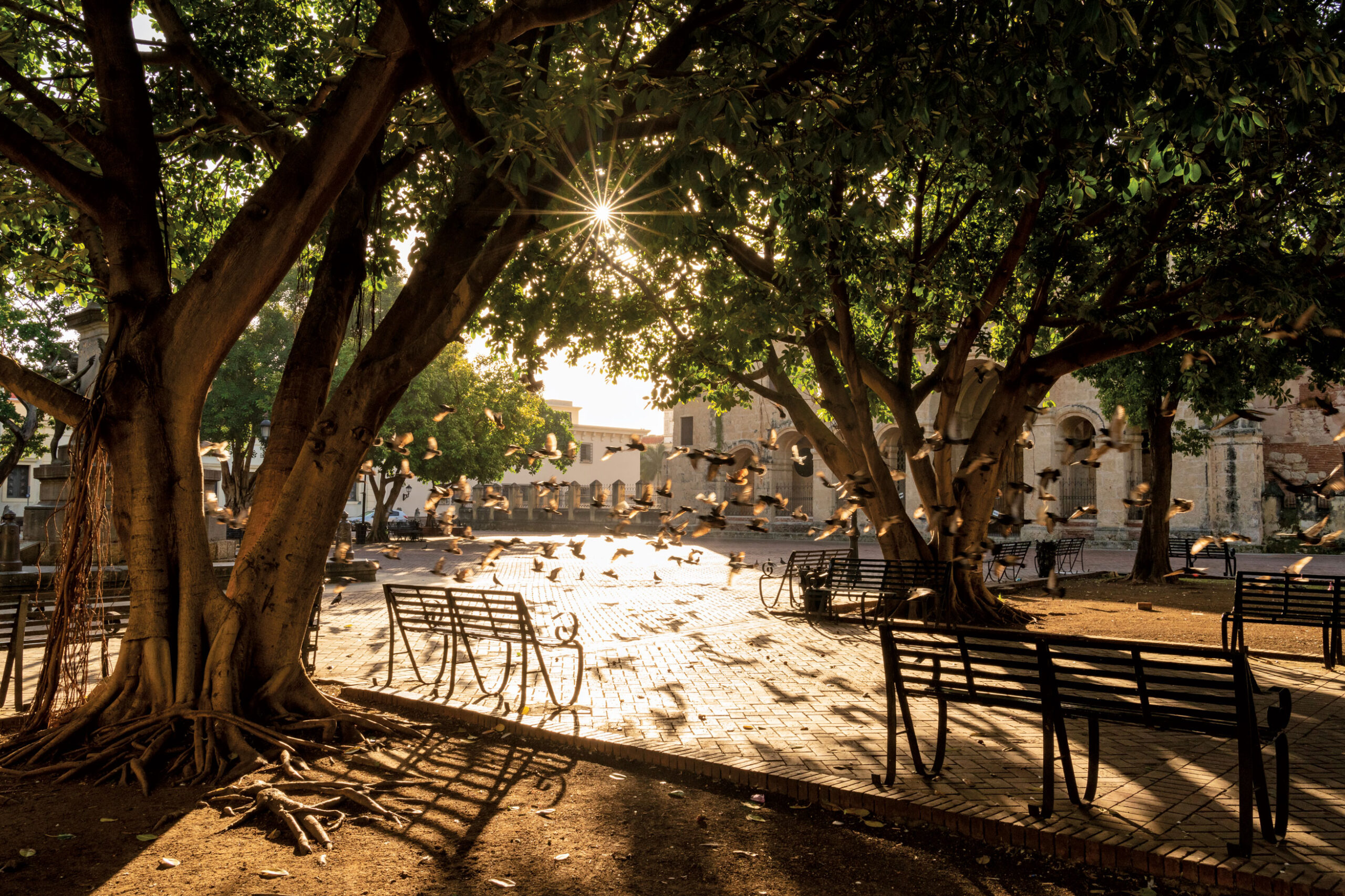
“The best way to experience Santo Domingo’s Colonial City is to stay at least two nights in the historic center,” says Melina Cruz, specialist in the Comprehensive Tourism and Urban Development Program for the Colonial City of Santo Domingo. “This allows time to explore the cobblestone streets of the first city of the Americas, visit its museums, and savor the local gastronomy at open-air plazas and intimate restaurants. You can wander on your own, but guided tours, especially in the evening when the monuments are beautifully illuminated, add rich layers of storytelling.”

A trio of ‘don’t miss’ sights are the Santo Domingo Fortress, the oldest European military structure in the Americas, the Museo de las Atarazanas Reales (Royal Shipyards) for a deeper dive into the city’s maritime past, and the Colonial Gate 4D Cinema, where the 20-minute 4D film, The Battle of Santo Domingo, uses multi-sensory effects to transport you into the city’s dramatic defence against pirate Francis Drake in 1586. Nearest marinas: Marina Bartolome Colon and Marina ZarPar. www.godominicanrepublic.com
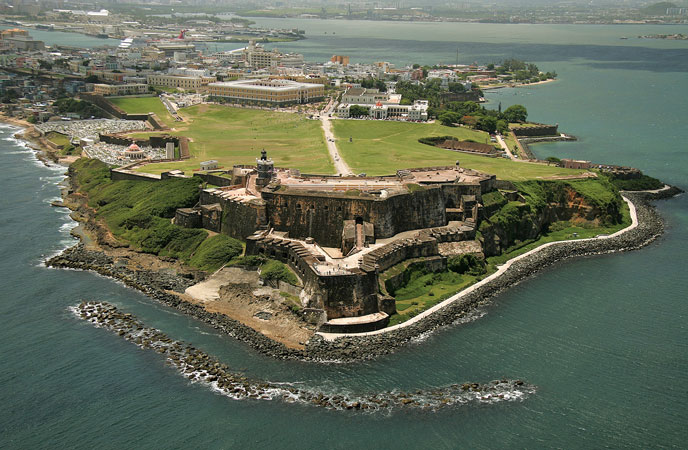
Castillo San Felipe del Morro, Puerto Rico.
Perspective is everything. From inside, El Morro’s towering stone walls feel like protection—solid, unshakable, and deeply reassuring. From the outside, they send a different message: keep out. Construction began in 1539 and took nearly 250 years to complete. Rising 140 feet above sea level at the entrance to San Juan Bay, this six-level fortress was built for endurance, with walls measuring 18 to 25 feet thick. Explore its stairwells, tunnels, and battlements to feel that strength up close. Or walk the Paseo del Morro along the base of the western wall for a humbling sense of what invaders once faced.
“Feel free to explore the fortifications on your own,” says Yanira Martinez, public information officer for the San Juan National Historic Site. “We recommend setting aside at least one hour to explore the fortification. You can also check the park’s social media accounts for the latest updates on special programs or tours.”
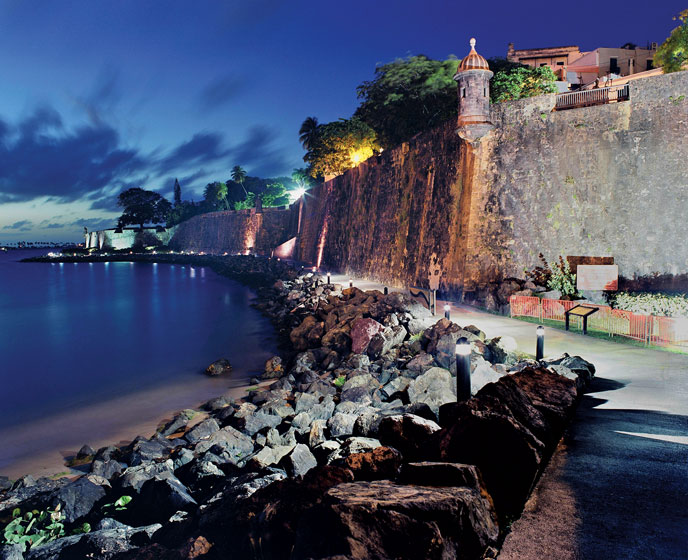
Afterwards, unwind on the grassy lawn outside El Morro and take part in a cherished Puerto Rican tradition—kite flying. With steady ocean breezes and plenty of open space, it’s the perfect spot to soak in sweeping views while watching vibrant kites soar above the historic fortress. Local street vendors often sell kites nearby, making it easy to join in this colorful, time-honored pastime. Closest Marinas: San Juan Bay Marina, Safe Harbor San Juan. www.nps.gov/saju/index.htm
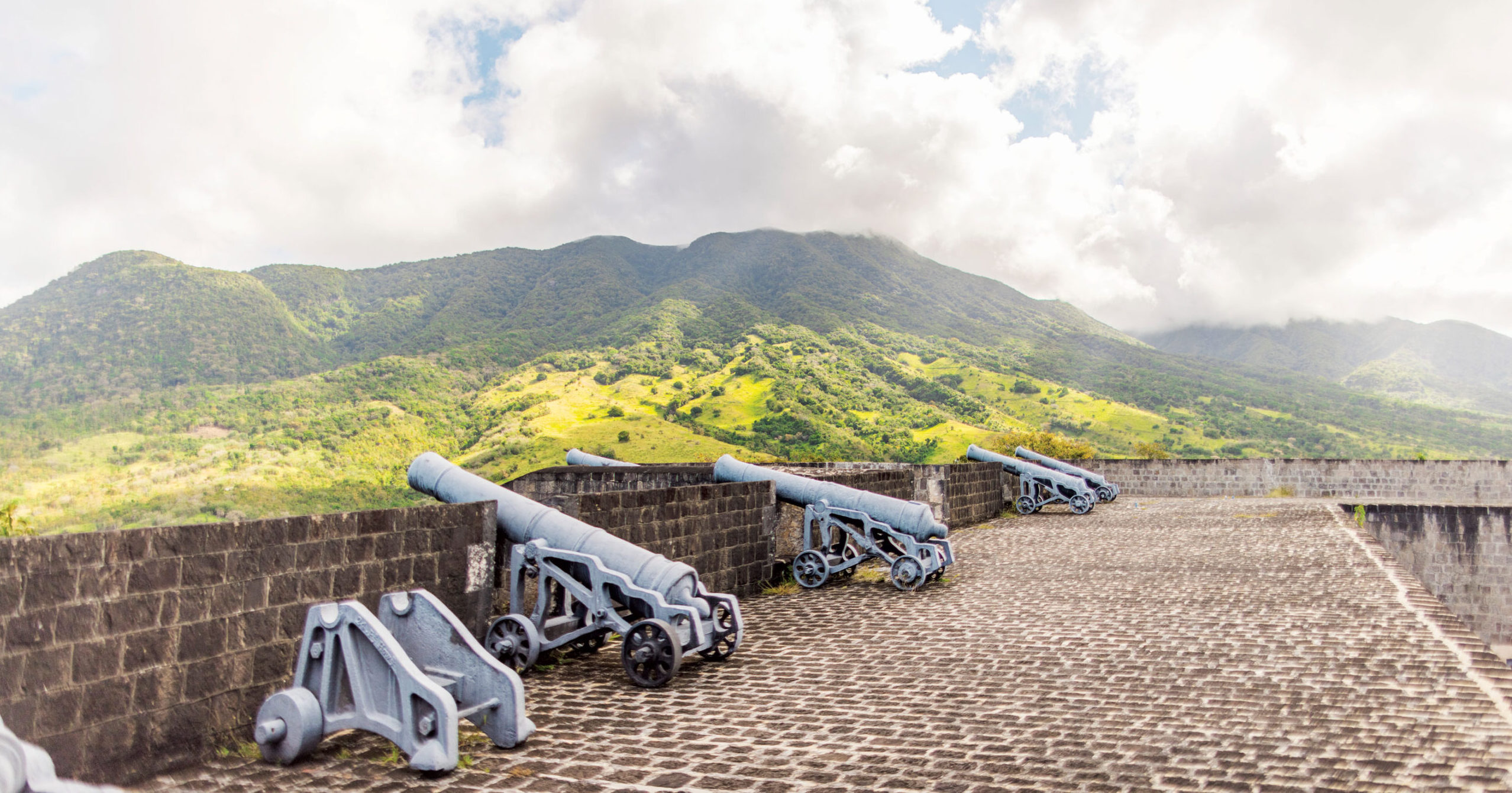
Brimstone Hill Fortress National Park, St. Kitts & Nevis.
Channel your inner Jack and Rose with a Titanic-style moment atop the ramparts of Fort George Citadel. Perched 800 feet above sea level, this highest point on the 40-acre fortress complex is the ultimate Caribbean lookout. From up here, you’ll get stunning views of St. Kitts’ rolling green hills. If the skies are clear, you can catch a glimpse of St. Eustatius and Saba off in the distance. Brimstone is a history lesson with a killer view!
Located 10 miles northwest of Basseterre, Brimstone isn’t just a cool old fort. It’s a powerful piece of Caribbean history. Built starting in 1690 to protect St. Kitts during fierce colonial power struggles, and completed a century later, it’s one of the best-preserved forts in the Americas, showcasing 17th- and 18th-century architecture. Tour the historic fortifications, such as the bastions, barracks, and cisterns, to understand its military significance. Visit the Artillery Barracks and Citadel, the fortress’s administrative and military heart, to understand the daily lives of the soldiers.
The St. Kitts Tourism Authority suggests driving slowly up the winding road to the site and starting at the visitor’s hub, where a short educational video provides valuable historical context and sets the stage for the experience. From there, hike up to the fortress on foot. Plan to spend 1 to 1 ½-hours exploring and enjoying the views. Nearest Marina: Port Zante. www.visitstkitts.com
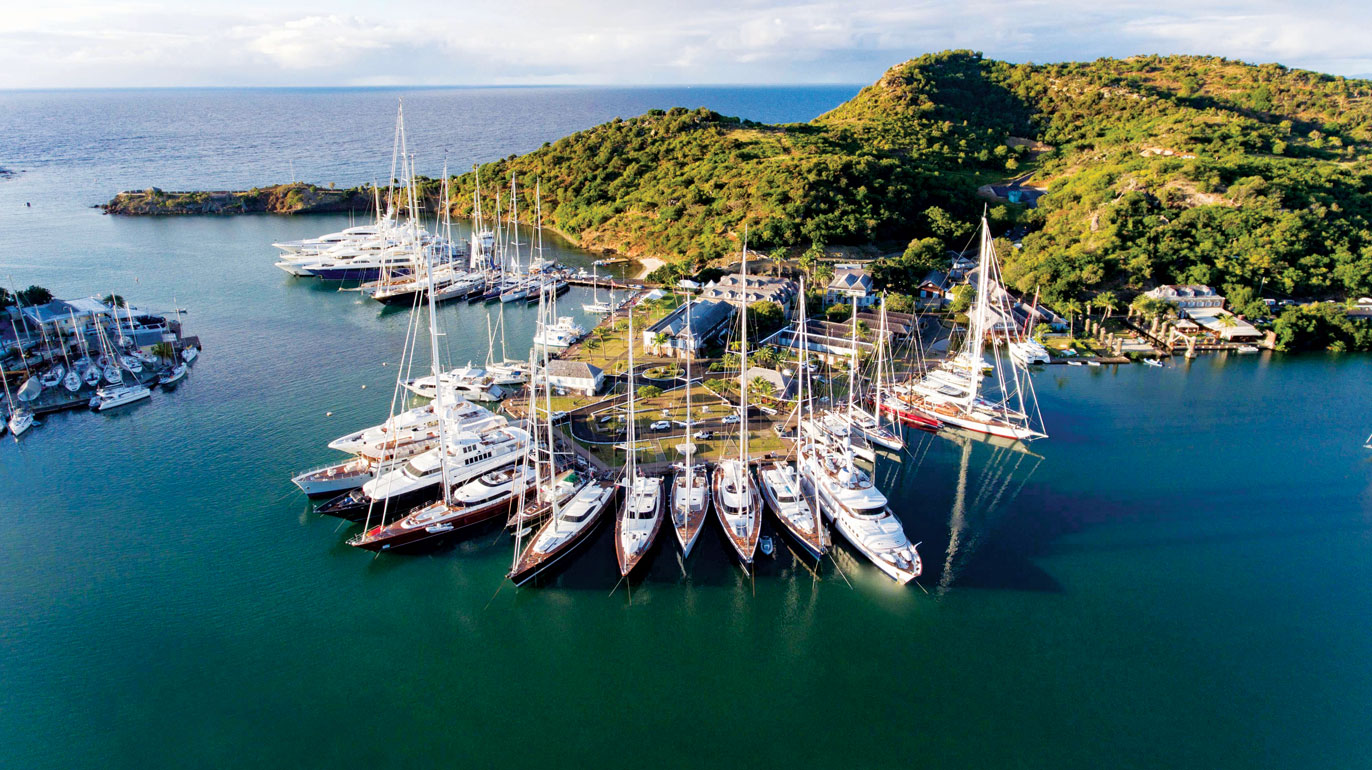
Nelson’s Dockyard, Antigua & Barbuda.
Renowned British naval officer, Admiral Horatio Nelson, slept here. More specifically, on a bed akin to the four-poster one displayed in what’s now the Dockyard Museum. From here, retrace Nelson’s steps to what’s called the ‘wet dock’, the yard’s central, narrow channel where the naval legend would often sleep aboard his HMS Boreas during his stay from 1784 to 1787. Today, past and present combine. Nelson’s is the only working Georgian-era dockyard of its kind in the world. Plus, it plays a prominent 21st-century role as a bustling hub for ship and boat repair, supporting the vibrant yachting and sailing community of Antigua and Barbuda.
“There are so many ways to enjoy the Nelson’s Dockyard,” says Vaughan Skerritt, marketing and advertising consultant for the Antigua & Barbuda National Park. “You can start with a tour with one of our well-informed guides and soak up the information about its fascinating history. The wider 40-acre park is filled with hiking trails with destinations that range from hilltop views at Shirley Heights to the beautiful mermaid gardens, stunning natural formations with crystal-clear pools near English Harbour. Or you can visit the varied bars and restaurants that populate the park. Closest Marinas: Nelson’s Dockyard Marina, Antigua Yacht Club Marina, Falmouth Harbour Marina. www.nationalparksantigua.com

Carol Bareuther has written for ALL AT SEA since 2004.
Worth your time?
Thanks — noted.