Caribbean Coral Reefs Suffer Historic Decline Amid Record Heat Stress
A new regional report finds Caribbean hard coral cover has fallen 48% since 1980, with the 2023–24 marine heatwave causing record reef losses.

Quick Answer:
A new regional assessment reports that hard coral cover across the Caribbean has declined by 48% since 1980, with the 2023–24 marine heatwave causing the most severe thermal stress ever recorded and driving a 16.9% decline in coral cover in just one year.
Talk about stressed out!
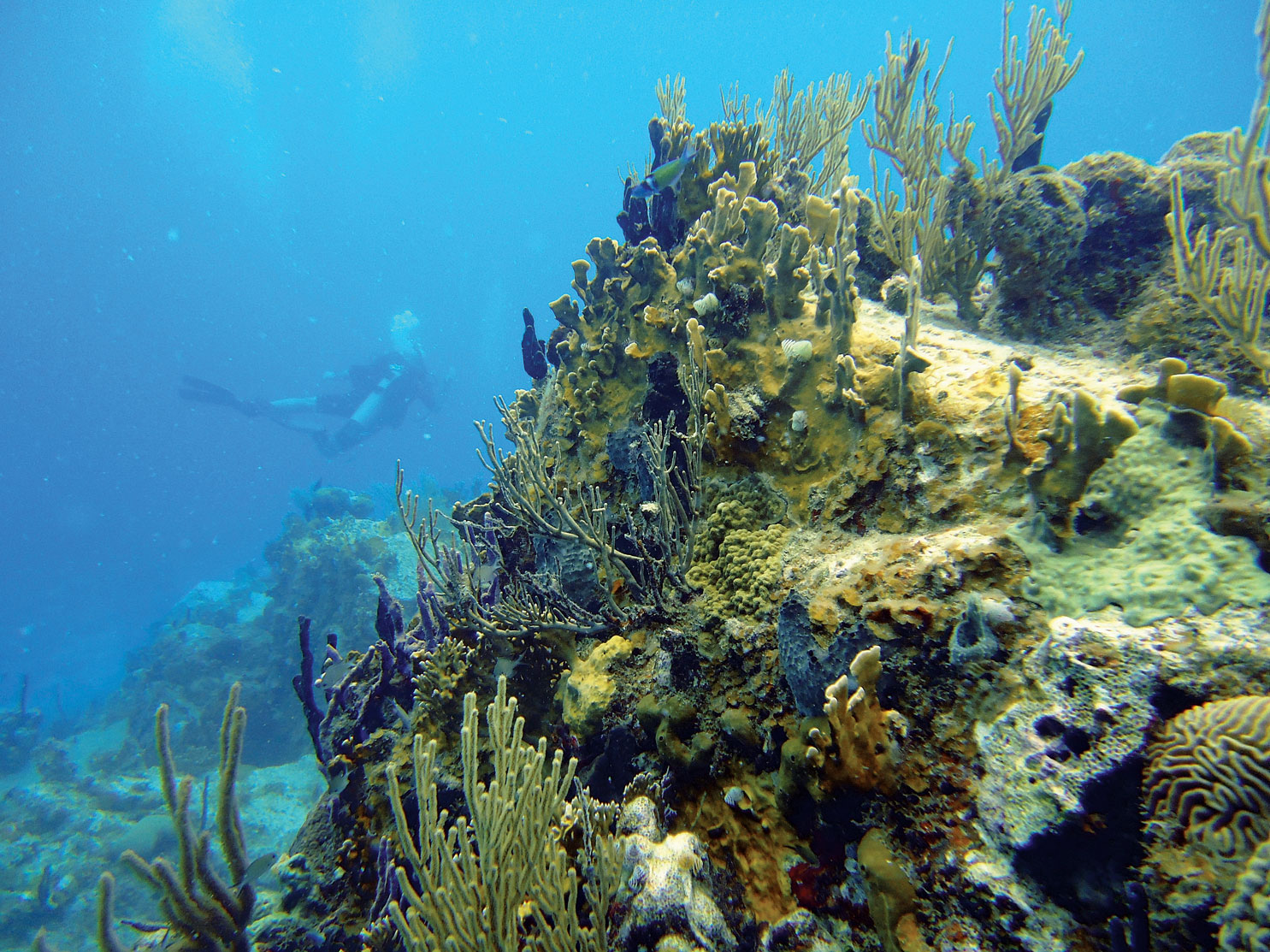
Hard coral cover across the Caribbean has declined by 48% since 1980, according to a new regional assessment released in December by the Global Coral Reef Monitoring Network (GCRMN) under the International Coral Reef Initiative (ICRI).

The long-term decline is primarily attributed to climate-driven marine heatwaves, which disrupt the symbiotic microalgae that provide corals with much of their energy. When this relationship breaks down, corals bleach, become weakened, and face a much greater risk of mortality.
2023–24 Was the Most Severe Thermal Stress Event on Record
The report identifies 2023–24 as the most severe thermal-stress period ever recorded for Caribbean reefs.
During that single year, regional hard coral cover fell by 16.9%, underscoring the scale and speed of recent reef losses.
Why Healthy Coral Reefs Matter
Although coral reefs cover less than 1% of the global seafloor, they support at least 25% of all marine species.
For the Caribbean, healthy reefs are also a cornerstone of the regional economy, supporting:
- Commercial and recreational fisheries
- Marine biodiversity
- Dive and snorkel tourism
- Coastal protection from waves and storms
- Local livelihoods and businesses
According to the report, these ecosystem services contribute an estimated U.S. $6.2 billion annually, representing roughly 10% of Caribbean GDP.
Macroalgae Continues to Expand
As hard coral has declined, macroalgae coverage has increased by 85% since 1980.
Researchers link this shift to a combination of:
- Marine heat stress
- Coastal development and pollution
- Overfishing of herbivorous fish and other grazing species that naturally keep algae in check
As algae become more dominant, they can further inhibit coral recovery by competing for space and sunlight.
Signs of Hope
Despite the sobering findings, the 352-page report also highlights areas of resilience.
Researchers identified heat-tolerant coral populations in the southern Gulf of Mexico, where expanded marine protected areas are helping safeguard connected reef habitats. These resilient reefs may provide important insights for future conservation and restoration efforts across the wider Caribbean.
Looking Ahead
The report paints a concerning picture for Caribbean coral reefs but also underscores the importance of effective marine management, habitat protection, and continued monitoring.
For boaters, divers, anglers, and coastal communities alike, healthy reefs remain essential—not only for marine life but also for the region’s economy and way of life.
Carol Bareuther has written for ALL AT SEA since 2004.
Worth your time?
Thanks — noted.