How to Avoid Mosquito-Borne Diseases While Cruising the Caribbean
Tropical paradise doesn’t always mean tropical peace—mosquitoes and waterborne pathogens can turn a dream cruise into a medical emergency if you’re unprepared. Learn how to recognize, prevent, and respond to three major Caribbean health risks—dengue fever, leptospirosis, and malaria—plus tips to stay healthy while island‑hopping.

I don’t want to dampen your spirits, but it’s good to be informed. Knowing how to avoid these bugs—and what to do if they bite—can mean the difference between a healthy vacation and a hospital visit. Here’s what you need to know about three major tropical diseases in the Caribbean: dengue fever, leptospirosis, and malaria.
Dengue Fever
Dengue fever surged across the Caribbean in 2024, with 12.6 million suspected cases and over 7,700 deaths reported by the Pan American Health Organization. That’s more than triple the number of deaths in 2023.
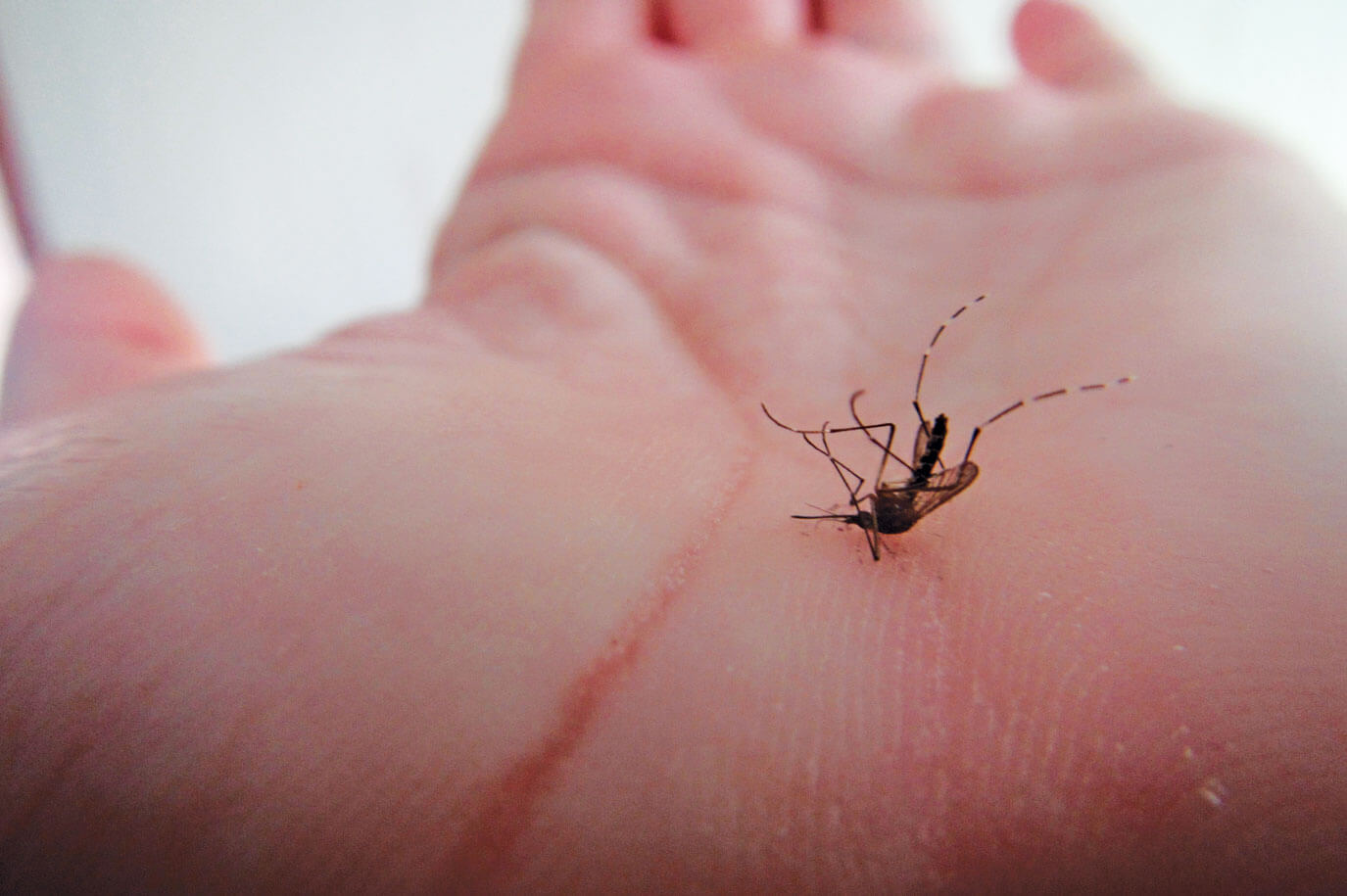
Transmitted by the aggressive, day-active Aedes aegypti mosquito—easily identified by its black and white striped legs—dengue thrives after heavy rains, especially in warm, humid conditions.

Christian and I both contracted dengue after working in a mosquito-infested boatyard. We experienced chills, fever over 104°F, severe headaches, and joint pain. Fatigue kept us cabin-bound for a week, and recovery took a month. In severe cases, dengue can become hemorrhagic, causing internal bleeding and even organ failure. Never take blood thinners like aspirin if you suspect dengue.
If accessible, a blood test can confirm the diagnosis and monitor potassium levels, which may drop dangerously low. We later received the Qdenga vaccine and recommend others check availability in their home countries.
Leptospirosis
Leptospirosis, a bacterial disease, is spread via the urine of infected animals—particularly after flooding events when freshwater becomes contaminated. While cases are fewer, the mortality rate can reach 40% if untreated.
The highest incidence in the Caribbean has been reported in Barbados, Trinidad & Tobago, and Jamaica, but it can be found in other islands as well. Unlike dengue, leptospirosis requires immediate antibiotic treatment. Typical symptoms are similar to dengue but may include jaundice (yellowing of the eyes or skin) and red eyes—hallmarks of the disease.
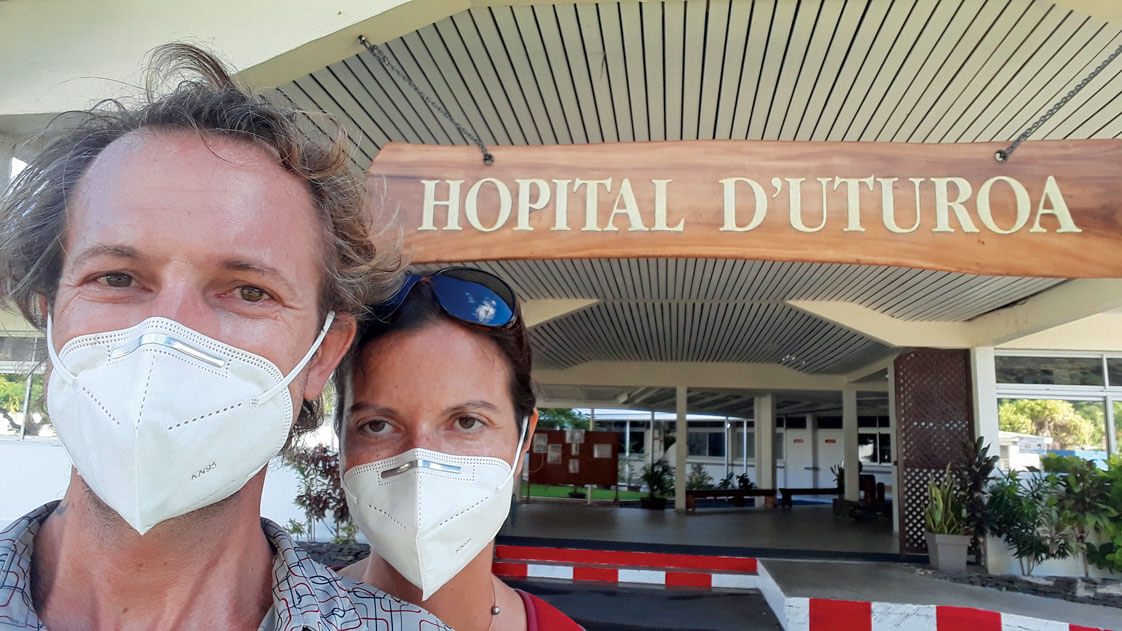
When we visited a hospital in French Polynesia, the doctor ran a rapid test to rule out leptospirosis, a precaution that proved invaluable.
Malaria
Malaria is no longer a threat on most Caribbean islands, except on Hispaniola (Haiti and the Dominican Republic). However, it’s still active in Central America—particularly in Honduras and parts of Panama.
Malaria is spread by night-active Anopheles mosquitoes. They’re easy to spot by their black-and-white scaled wings and their unique bum-up resting position. If you’re headed into a high-risk zone, screen your hatches, sleep under mosquito nets, and consider antimalarial prophylaxis—or at least carry a rapid test and treatment kit, as we do.

Other Concerns
Other diseases to be aware of include:
• Histoplasmosis (a fungal lung infection)
• HIV/AIDS, with Caribbean rates among the highest outside sub-Saharan Africa
• Tuberculosis, still prevalent in some islands
• Gastrointestinal infections, avoidable through good hygiene and clean food
Stay Informed, Stay Safe
Does all this mean you should stay home? Absolutely not! The Caribbean is still a dream destination. Just stay informed, take precautions, and check for local outbreaks at medical centers along the way. With the right preparation, you can enjoy the best of paradise—bite-free.
Birgit and Christian have been cruising around half the world since 2011. Visit their blog at www.pitufa.at and find their books “Sailing Towards the Horizon” and “Cruising Know-How” on Amazon.
Birgit Hackl has written for ALL AT SEA since 2012.
Worth your time?
Thanks — noted.