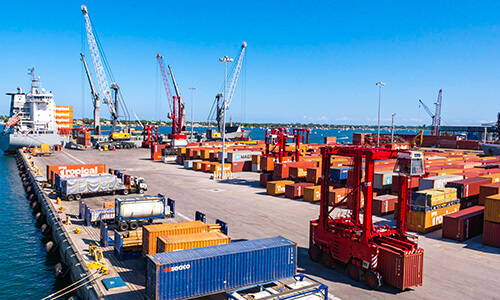
How U.S. Maritime Investments Could Benefit Boaters and Marine Businesses in the Caribbean
New U.S. maritime initiatives aim to boost shipbuilding, expand marine training, and strengthen shipping. Here’s how that could impact boaters and businesses in the Caribbean.

A new Executive Order from President Donald Trump is making waves in the maritime world with a bold promise: to restore America’s maritime dominance. While that might sound like D.C. bluster to some, there are several initiatives tucked into this plan that could ripple outward and impact boating professionals, marine businesses, and even charter operators throughout the Caribbean.
Whether you captain a yacht, run a marine service company, or simply sail the islands seasonally, here’s what you need to know:
1. Shipbuilding Incentives Could Reinvigorate Supply Chains The U.S. Maritime Administration (MARAD) is tasked with creating a financial incentives program to jumpstart domestic shipbuilding and repair. For Caribbean-based operators who depend on U.S.-built or U.S.-serviced vessels, this could mean:
- Faster turnaround for custom or specialty builds
- Easier access to spare parts and support
- New players entering the service and repair space
2. Maritime Prosperity Zones May Extend to U.S. Territories The order calls for the creation of “Maritime Prosperity Zones” to attract domestic and allied investment. While vague in scope, this could bring much-needed infrastructure and funding to places like Puerto Rico and the U.S. Virgin Islands—regions already central to Caribbean cruising and commerce.
3. Expansion of U.S. Shipping Demand = Better Logistics? One of the stated goals is to increase cargo preference and boost demand for U.S.-flagged shipping. That could improve:
- Availability of U.S.-Caribbean freight routes
- Affordability of marine shipping services
- Infrastructure at smaller ports
4. Workforce Development Could Ease the Crewing Crunch By funneling resources into the U.S. Merchant Marine Academy and expanding mariner training, the initiative aims to rebuild a pipeline of skilled maritime professionals. Caribbean captains, crew managers, and charter brokers could benefit from:
- A deeper talent pool for seasonal or long-term hires
- Higher standards in crew education
- More visibility and career opportunities for young mariners
5. Strategic Commercial Fleet = More Support Vessels The plan includes building a “strategic commercial fleet” to enhance national security. While that might sound like military business only, this expansion could translate to more:
- Tankers, cable-layers, and support craft in the region
- Relief or utility vessels available during hurricane season
- Innovation in dual-use (civilian + defense) marine tech
Bottom Line? Most of the big-ticket benefits will land in U.S. shipyards and bureaucracies—but Caribbean mariners and marine businesses may still feel the ripple effects. If even half of this gets funded, it could mean better infrastructure, more skilled crew, improved shipping services, and a stronger link between U.S. maritime efforts and the islands.
For now, we’ll watch how the Maritime Action Plan (MAP) unfolds. And if you’re in the business of boats, stay tuned. The tide may be turning.
captain has written for ALL AT SEA since 2020.
Worth your time?
Thanks — noted.