Redonda: A Caribbean Island’s Remarkable Transformation from Barren Landscape to Biodiversity Haven
Discover how the uninhabited island of Redonda, part of Antigua & Barbuda, was transformed from a rat-infested wasteland into a thriving ecosystem. Learn about the conservation efforts that have restored this island's natural beauty and biodiversity.

A Brief History of Redonda
You can’t put it on your cruising itinerary…yet. But Redonda, the 1-mile-long, 0.3-mile-wide uninhabited island that is part of Antigua & Barbuda, has received TLC (tender loving care) by conservation organizations and turned from being a rat-infested barren landscape into a lush hub of biodiversity.
The Island’s Past and Ecological Decline
Located about 35 miles southwest of Antigua, Redonda was a key destination to mine guano, or seabird droppings, in the 19th century. However, the production of artificial fertilizers ended that industry, and the island fell into ecological decline.

The 2016 Restoration Program
In 2016, a restoration program was initiated by a collaborative effort that included the Antigua & Barbuda government’s Department of Environment, international organizations like the Environmental Awareness Group (EAG), Fauna & Flora International, and Re, with support from the British Mountaineering Council. This project focused on removing invasive species, such as rats, which allowed native species to recover and thrive.











The Transformation and Current Biodiversity
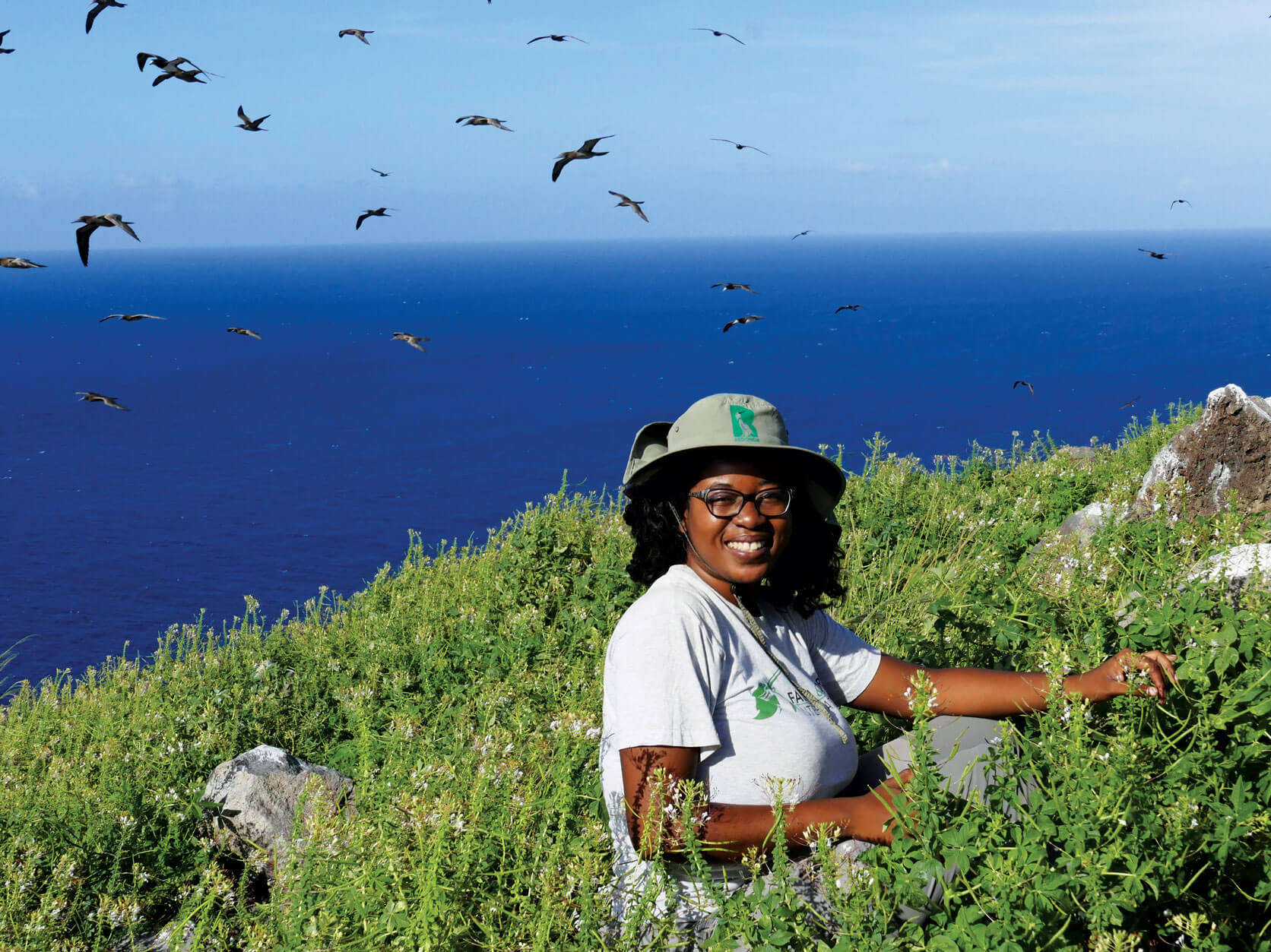
Today, Redonda is home to some 30 globally threatened and near-threatened species, along with significant seabird colonies. The island’s steep terrain has turned from a barren ‘moonscape’ to a velvety green landscape, rich with plant life. Remarkably, the population of the critically endangered Redonda ground dragon, a species of lizard, is now over 10 times what it was in 2016.

Visitation and Future Plans
“Right now, the only visitors allowed on Redonda are those with special permission, such as government officials and scientists/volunteers, and they are helicoptered onto the island. It is not possible to access the island by boat currently due to the precipitous cliffs and the rough seas,” says Joanna Colley, media relations manager at Fauna & Flora International, headquartered in Cambridge, UK. However, “there may be plans for boat tours around the island in the future.”
For more information, visit Fauna & Flora International’s Redonda Restoration Programme.
Carol Bareuther has written for ALL AT SEA since 2004.
Worth your time?
Thanks — noted.