How to Find Crew for an Atlantic Crossing
Learn how skippers find reliable crew for Atlantic rallies like the ARC, Viking Explorers, and Salty Dawg Caribbean Rally.

Building the Right Offshore Team
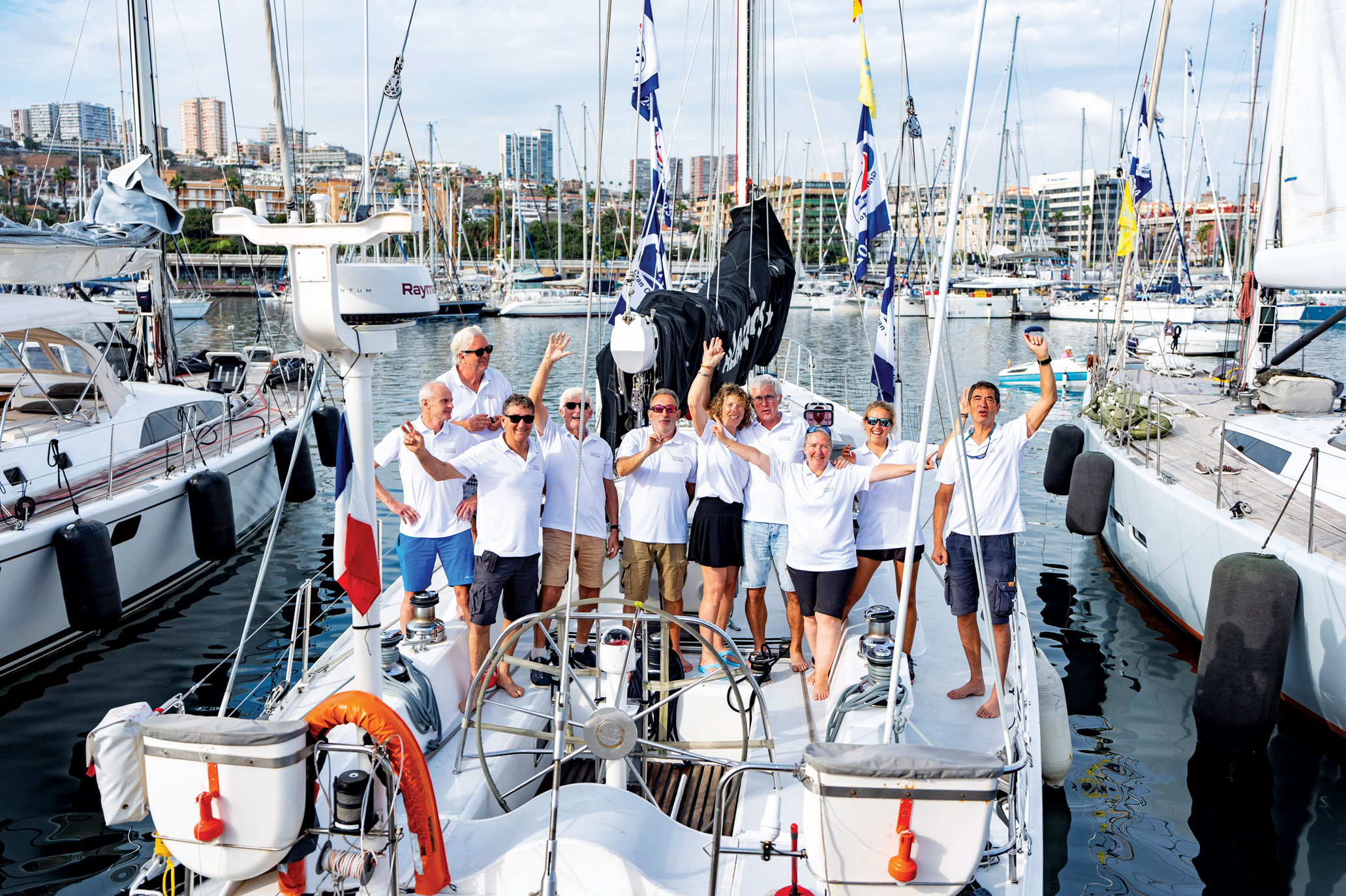
When Matthew Green decided to join the Viking Explorers Rally aboard his Hylas 66 Keep Kool, he knew preparing the yacht was only half the challenge. The other half was finding the right people to sail it with him across the Atlantic.
“I live aboard with my family, but apart from my 15-year-old son, they didn’t want to do the crossing. They planned to fly out and meet us there,” says Green. “That meant I needed to build a crew from scratch.”
At first, he wasn’t sure where to begin. Then he discovered a simple truth: there were countless people eager to cross the Atlantic, but without a boat, and he had the opposite problem – a boat without a crew.
“It sounded like a perfect match,” says Green.
He turned to the Facebook group Atlantic Crossing – East to West, posting details about his boat, his experience, and the passage plan. The response was immediate and overwhelming.
“Within minutes, I had replies, and within hours, it became too much to track. I ended up creating a spreadsheet to keep on top of it all,” he says.
Over a hundred applications rolled in, ranging from seasoned ocean sailors to mile-builders hoping to tick off an Atlantic passage, as well as adventurous travelers looking for a more unconventional way to cross the ocean. Green shortlisted candidates, held video calls, and eventually selected his team. But he is quick to point out that the process isn’t one-sided.
“You’re not just choosing them; they’re choosing you, too. Crew need to feel confident in the skipper and the boat, just as much as you need confidence in them,” he says.
Green’s experience reflects one of the biggest challenges skippers face in rallies and ocean passages: finding the right crew.
Why Crew Matters
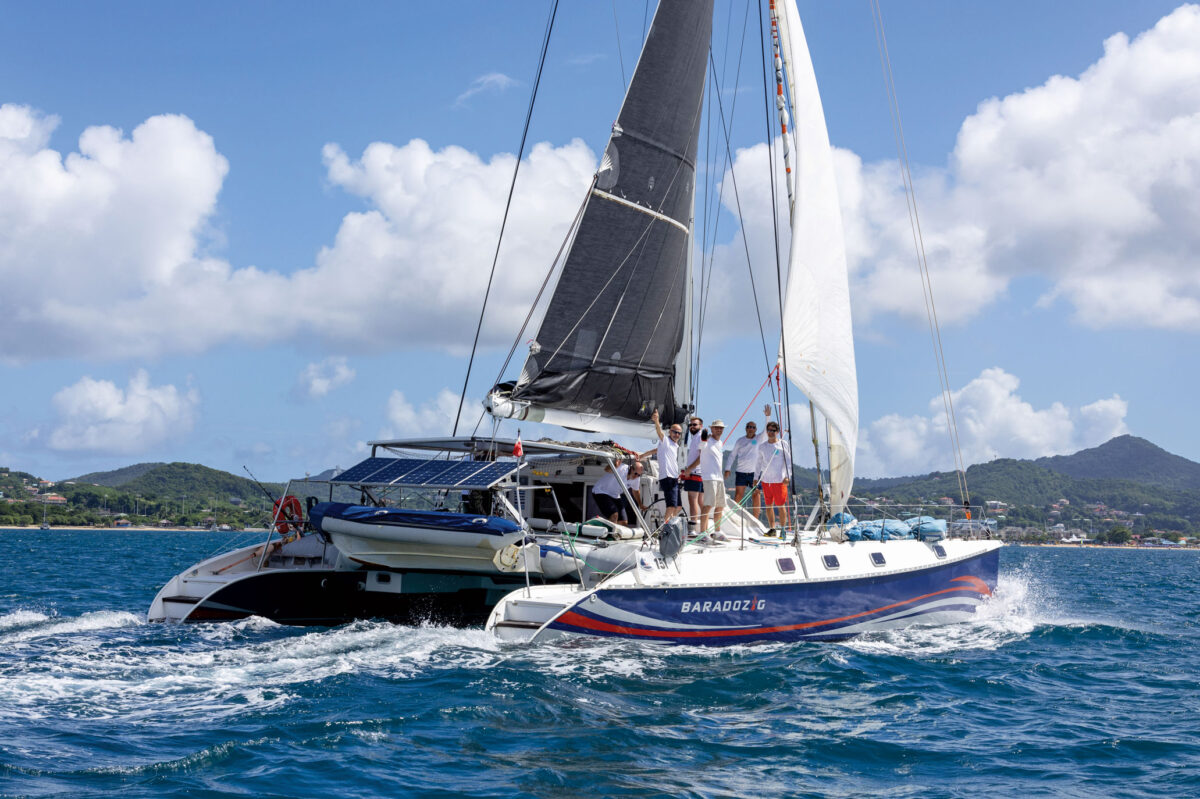
“Finding the right crew, both in terms of numbers and capabilities, is absolutely crucial,” says Carlota Texeira Saavedra, public relations and marketing director for the Viking Explorers Rally. A maximum of 25 boats will depart from Las Palmas de Gran Canaria on January 6, 2026, making a short stopover in Marina Mindelo on Cape Verde, en route to Port Louis Marina, in Grenada. “The stakes are high. We’ve seen boats withdraw from rallies when their preferred crew became unavailable, rather than risk sailing with untested replacements.
Three may be enough, but four is the sweet spot, according to Michael Benjamin, president of the Salty Dawg Sailing Association (SDSA), which hosts its fall Caribbean Rally with a November 1 departure from Hampton, VA and October 31 cast-off from Newport, RI, with a stop in Bermuda, with a quarter of the fleet finishing in the Abaco’s Marsh Harbor in the Bahamas, and the rest in English Harbor, in Antigua. “With four, you can run a three-on, nine-off watch rotation,” Benjamin explains. “That gives everyone proper rest and keeps the workload manageable.”
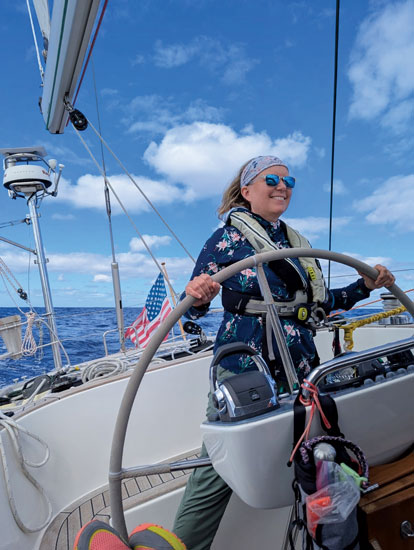
Where to Find Crew
For the ARC and ARC+ rallies, one option is Ocean Crew Link, a free online matching service operated by the World Cruising Club (WCC), the rally organizer. “This allows individuals to find crew or an owner to sail with,” says Peter Gilmor, the WCC’s marketing and communications manager. “This site has a weekly reach of 11,000.”
The ARC departs November 23, 2025, from Pas Palmas in the Canary Islands, and finishes in Rodney Bay, St. Lucia, while the ARC+ sets sail earlier, on November 9, 2025, including a stopover in Cape Verde before heading to St. Lucia.
Other options include Crewseekers, sailing forums, and social media.
SailOPO.com, run by veteran skipper Hank Schmitt, is another trusted resource. SailOPO (Offshore Passage Opportunities) connects skippers with experienced offshore crew and is especially popular among sailors looking to join serious bluewater passages.
Giles Ridyard, who will set sail again on the ARC aboard his commercially licensed Bowman 57’, Ninja Penguin, says, “I use a mix of Ocean Crew Link, Crewseekers, social media, and referrals.”

What to Look For
• Skills Versus Personality. Most skippers stress that compatibility is just as important as competence. After all, you can teach sail trim, but not patience or humor.
“Maybe you need a mechanic or a medic,” says Ridyard. And, “never underestimate the value of a good cook who doesn’t get seasick.”
Lifestyle and habits matter too: smoking, drinking, diet, and even conversational style can all affect crew chemistry on long passages.
• Experience Helps – But Attitude Wins. While logged miles and certificates inspire confidence, many skippers argue that adaptability and willingness to learn matter more. Pairing a veteran sailor with a novice often works well.
• Authority and Teamwork. Regardless of the crew mix, the hierarchy must be clear.
“There must be only one captain,” says the Viking Explorers’ Texeira Saavedra. “At the same time, successful crews share responsibility: cooking, cleaning, standing watch, and fishing all get divided fairly.”
• Paying or Not Paying. Typically, crews pay their own travel expenses and receive food and lodging during transit, but arrangements vary. Some programs accept paying crew for tuition, others hire professionals, and some skippers take on skilled crew who can’t contribute financially. Clear agreements prevent friction later.
• Insurance, Safety, and Paperwork. Don’t overlook the fine print. Insurance must cover the crew, and expectations should be in writing. Some skippers create multi-page documents outlining safety rules, roles, and procedures, an ounce of prevention that pays off offshore.
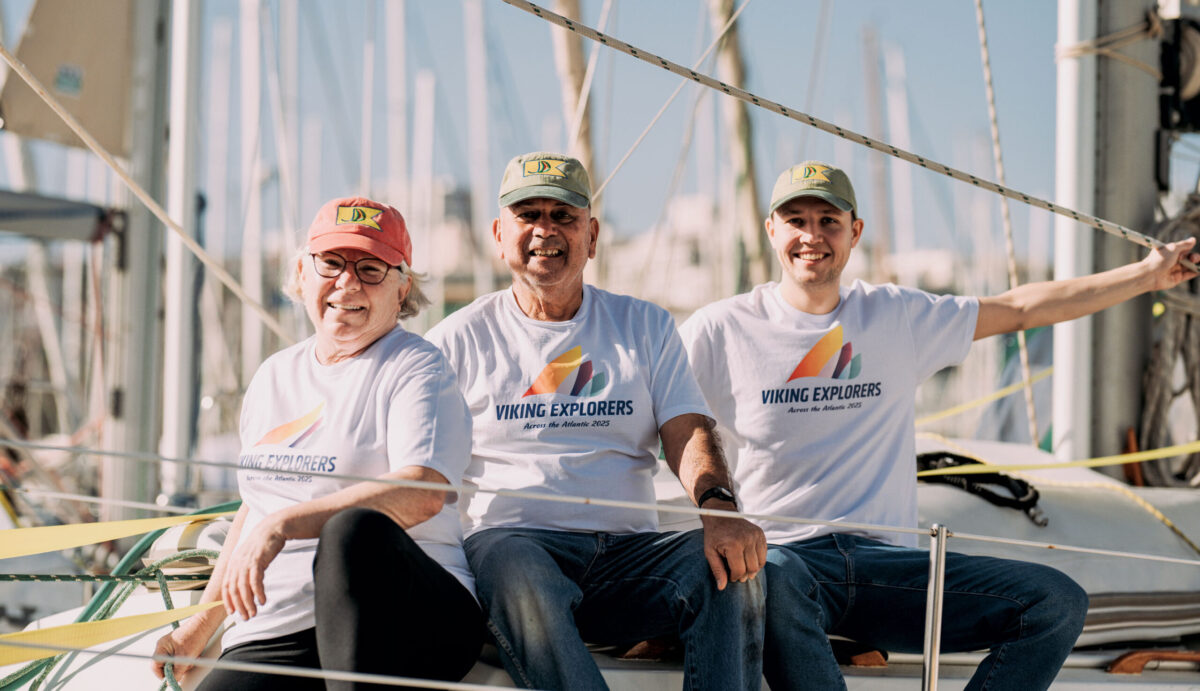
Rally Support
While most rallies don’t directly place crew, they provide tools and education. Viking Explorers hosts seminars on team dynamics, ARC promotes Ocean Crew Link, and Ocean Posse, the world’s largest yacht rally with full logistical backing yet no fixed schedule, offers ralliers decision-matrix tools for assessing crew.
Finally, taking part in a rally isn’t just about crossing an ocean; it’s about crossing with the right people.
As Green on Keep Kool discovered, finding crew can feel daunting at first, but it also opens doors to friendships and shared adventure.
“It’s important to be genuine,” he says. “Because once you’re out there, thousands of miles from land, the crew is everything.”
What to Do Next
- Join offshore sailing crew groups early
- Conduct video interviews before committing
- Clarify expectations in writing
- Prioritize personality alongside experience
- Use rally resources to connect with vetted sailors
Carol Bareuther has written for ALL AT SEA since 2004.
Worth your time?
Thanks — noted.