Whose Whales? The Debate Over Antigua & Barbuda’s Position on Commercial Whaling
Ahead of IWC70, Antiguan conservationists urge their government to reconsider its support for commercial whaling and listen to public opinion.

As the 70th meeting of the International Whaling Commission (IWC70) approaches in Hobart, Australia (September 27–October 2), a coalition of Antiguan environmental organizations is urging Prime Minister Gaston Browne to reconsider the country’s longstanding support for efforts to reopen commercial whaling.
Their argument is simple: Antigua & Barbuda’s position at the IWC no longer reflects the views of many of its own citizens.
Ahead of the meeting, 11 local environmental groups, under the banner Antigua Protect Whales, wrote to the Prime Minister asking the government to withdraw a resolution submitted to the IWC that would begin a process toward resuming commercial whaling. A separate coalition of 22 international conservation organizations also appealed for Antigua to reconsider its position.
For many observers, the question isn’t simply about whales. It’s about who Antigua represents when it casts its vote on the international stage.
A Long-Running Debate
Commercial whaling has been prohibited under the International Whaling Commission’s moratorium since 1986.
For decades, Japan sought to overturn that ban from within the IWC. Antigua & Barbuda consistently supported many of those efforts. When Japan withdrew from the Commission in 2019, Antigua continued advocating for renewed discussion of commercial whaling, submitting resolutions in 2022, 2024, and again this year.
Government representatives have defended the country’s position over the years, arguing that commercial whaling should remain open for international discussion while also acknowledging Antigua’s longstanding diplomatic relationship with Japan.
Why Local Conservationists Object
For those of us who have spent decades promoting marine conservation in Antigua & Barbuda, that position feels increasingly disconnected from both public opinion and our national identity.
A June 2026 public survey found that roughly two-thirds of Antiguans and Barbudans oppose commercial whaling. A similar proportion believed the country’s position could damage Antigua’s international reputation.
Tourism is one reason.
Visitors come to Antigua for healthy oceans, vibrant marine life, and world-class sailing—not because they associate our country with supporting commercial whaling. Whether fairly or unfairly, international perceptions matter, particularly for a tourism-dependent economy.
The issue also appears inconsistent with Antigua’s broader environmental leadership.
Our country has championed climate resilience among small island developing states, joined the High Seas Treaty, committed to protecting at least 30 percent of our marine environment by 2030, and participates in international efforts to reduce marine pollution.
At home, our own Environmental Protection and Management Act fully protects whales and dolphins in Antiguan waters.
To many conservationists, supporting commercial whaling internationally while protecting whales domestically sends conflicting messages.
An Opportunity to Reconsider
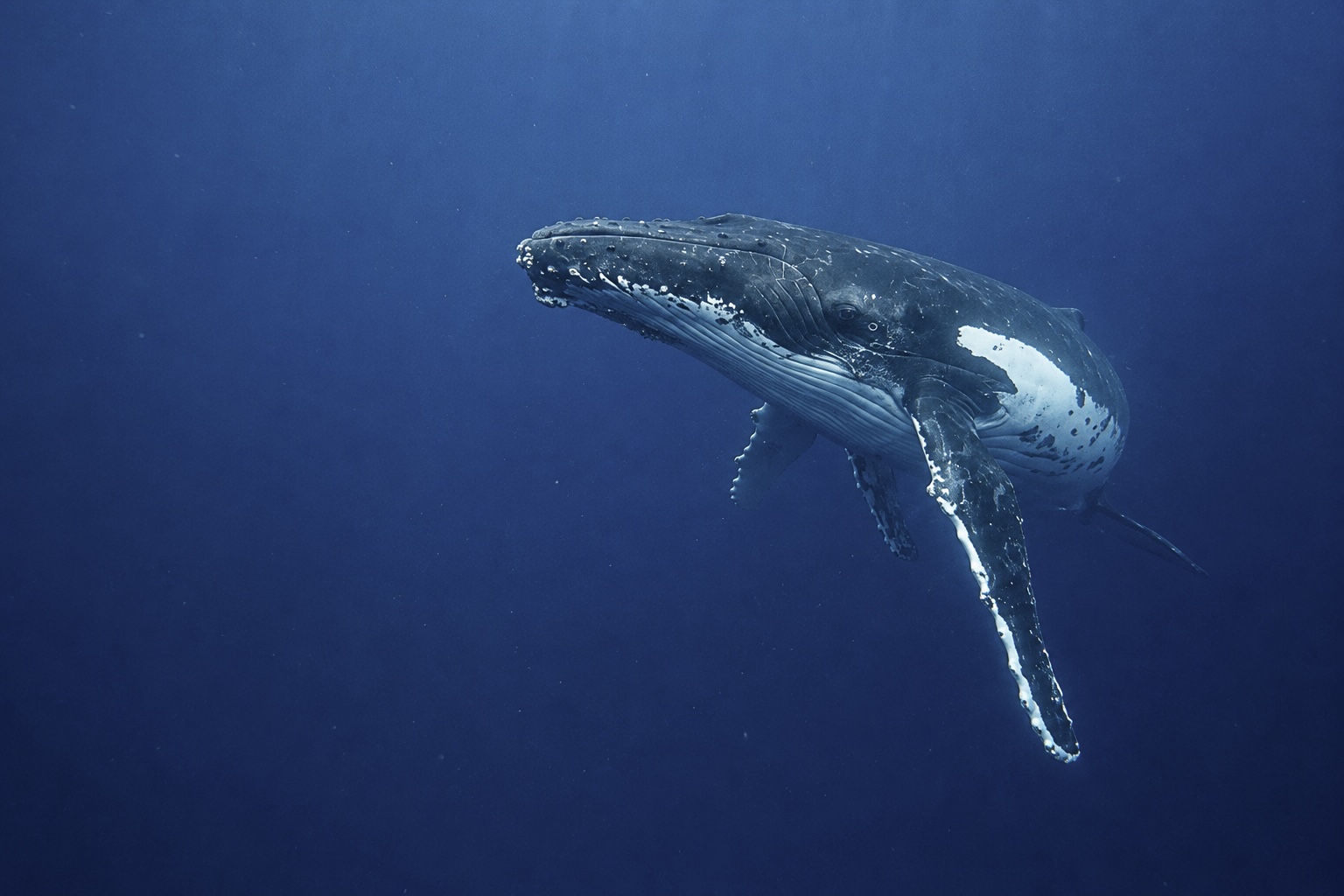
The International Whaling Commission was created to conserve whale populations while managing whaling where appropriate. Today, however, whales face far more than hunting alone.
Ship strikes, entanglement in fishing gear, underwater noise, plastic pollution, chemical contamination, and climate change all threaten whale populations worldwide.
Many conservationists believe the Commission’s priority should be addressing those modern challenges rather than reopening the debate over commercial whaling.
With IWC70 approaching—and Antigua preparing to host the 2026 Commonwealth Heads of Government Meeting (CHOGM)—our country’s environmental reputation will receive increased international attention.
That presents an opportunity.
Rather than leading another effort to revisit commercial whaling, Antigua could reinforce the conservation leadership it has demonstrated elsewhere by supporting stronger protections for marine ecosystems and cetaceans.
Listening to the Public
One of the concerns raised by the coalition of Antiguan environmental organizations is not simply the government’s position but the process by which that position is determined.
The groups argue that citizens have had little opportunity to participate in shaping Antigua’s approach to the IWC, prompting the launch of an online petition through AntiguaProtectWhales.org.
As someone who has spent four decades diving, writing, and advocating for marine conservation in the Caribbean, I believe Antigua should be recognized as a leader in protecting the ocean that sustains us.
With IWC70 just weeks away, I hope our government will listen not only to its international partners but also to the voices of its own people.